Calle Lorem ipsum N° 158 Av. Roma Spagna

Treatments

Cancer

A 30 years old Cancer Patient with two large tumors, given up by Allopathic Doctors
Read more

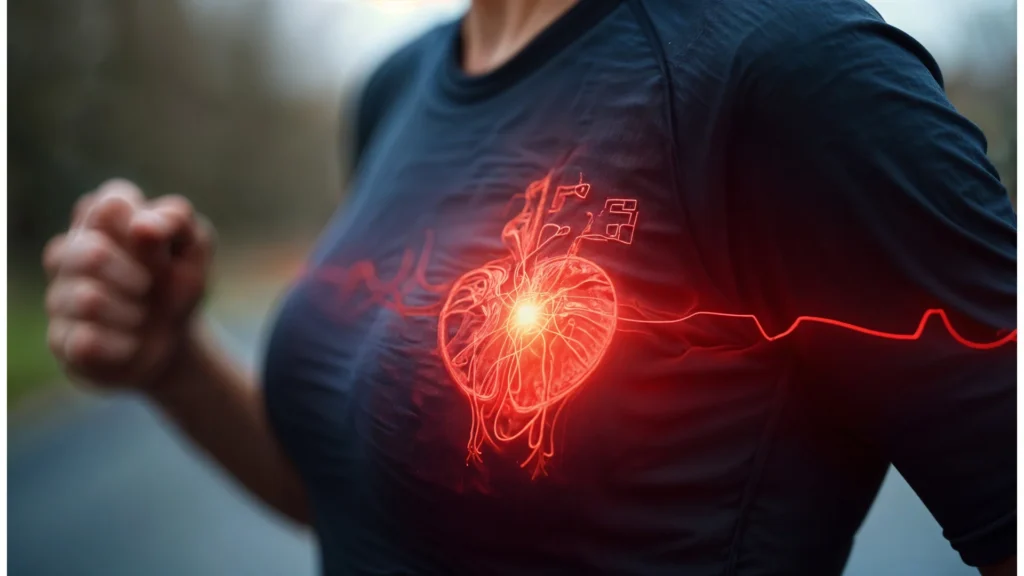
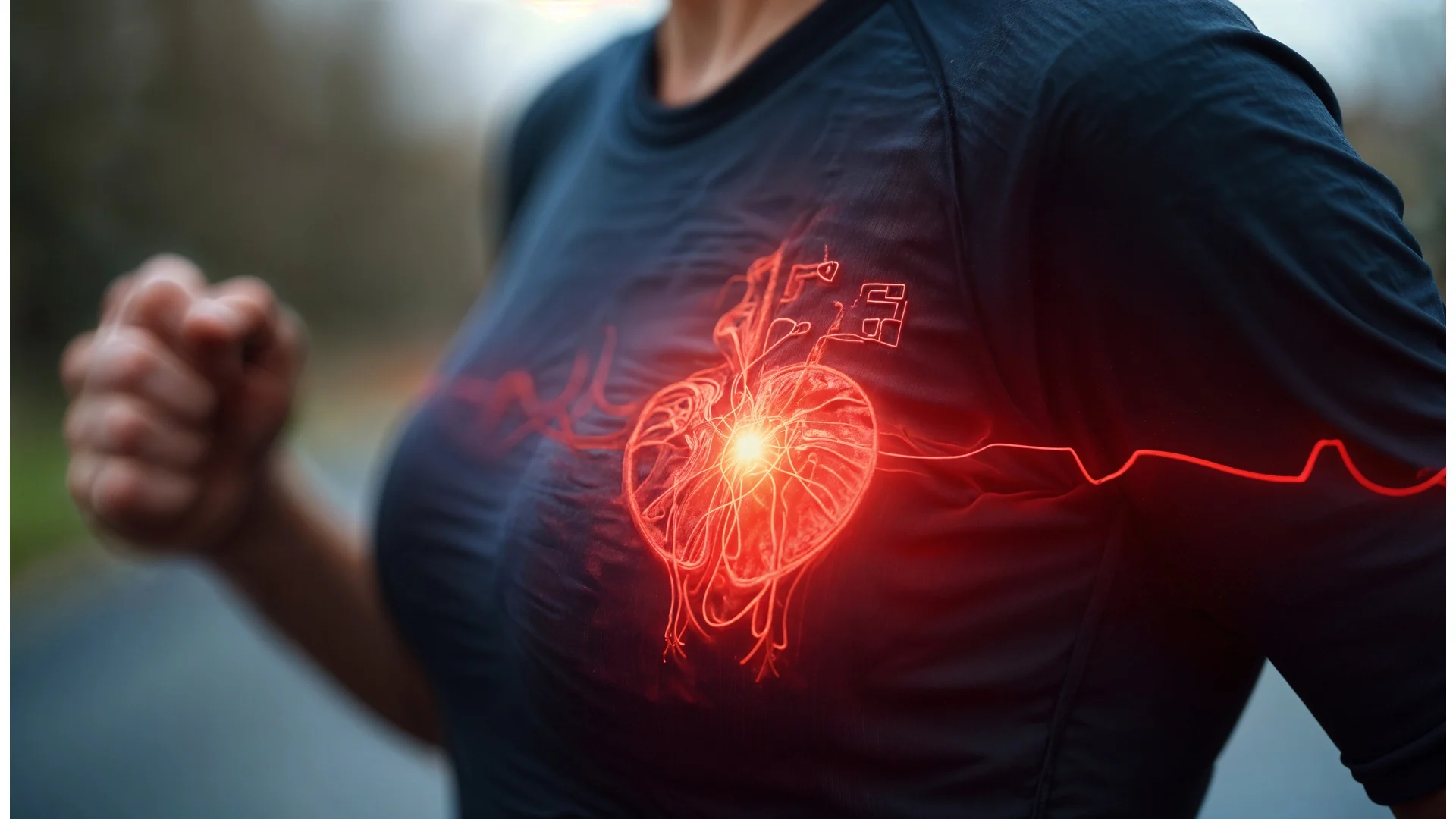
Heart Diseases

Heart disorders are the leading cause of death in the USA, and around 1 in every 4 deaths
Read more

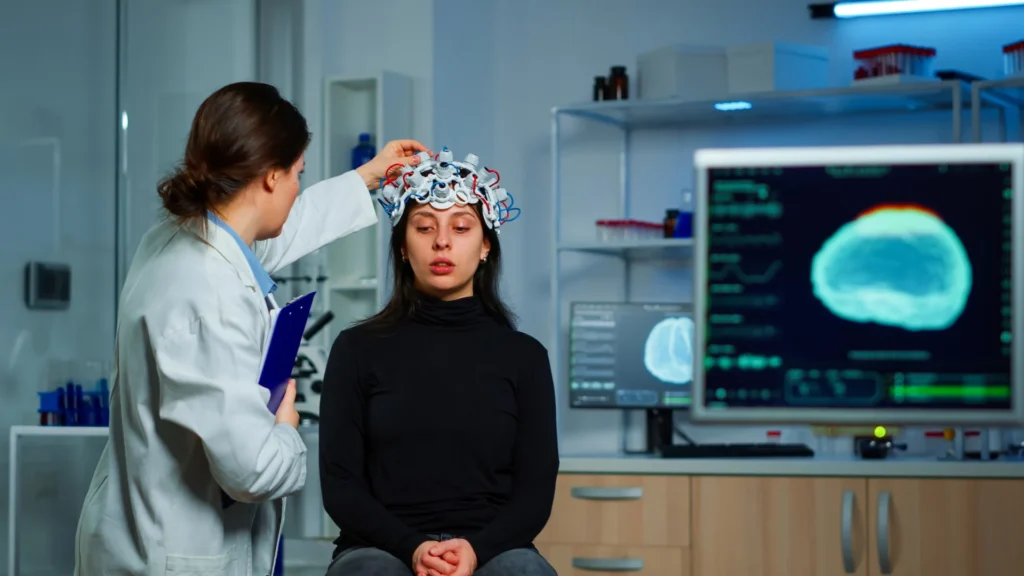
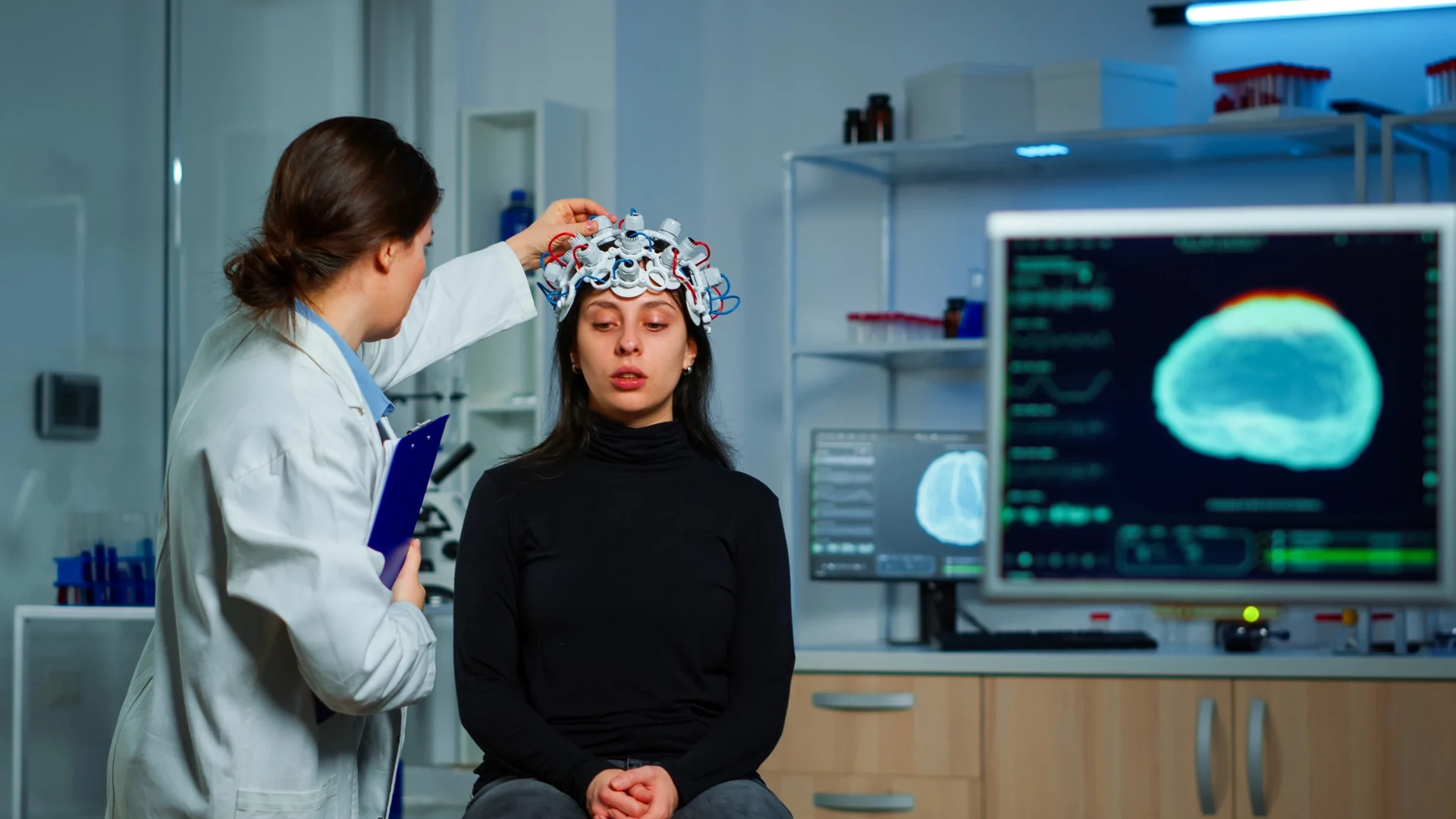
Brain Tumors

They can be both cancerous and non-cancerous, when a tumor starts growing inside the skull

Read more

Lumbar Spondylosis

Wear & tear of the lower back Spinal discs, joint inflammation, compression of Nerve root
Read more

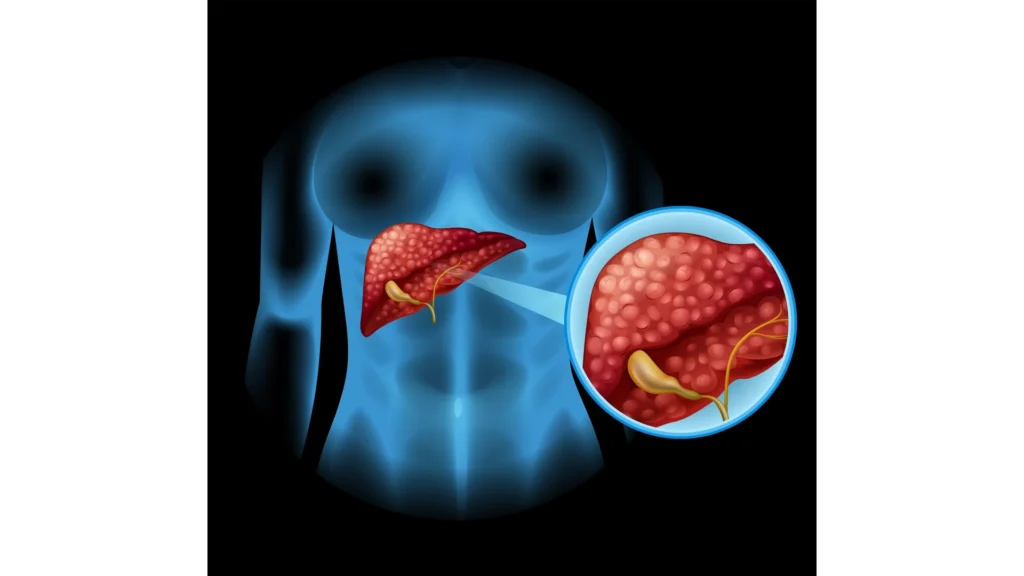
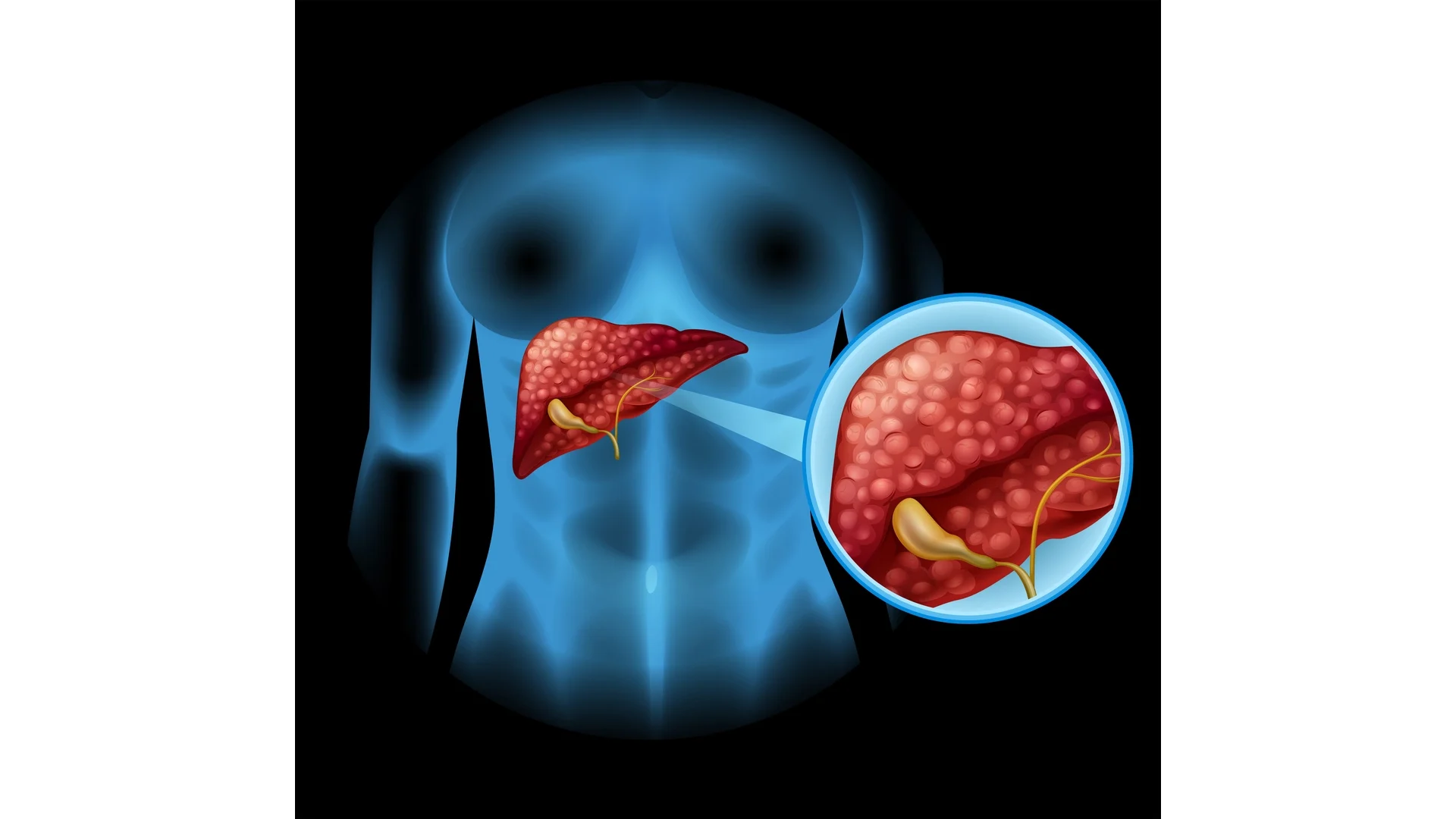
Liver Disorders

It breaks down the detoxifies chemicals in the body and it also acts as a storage unit.

Read more

Chronic Kidney Disease

The causes of CKD are many, it damages the kidney and decreases their function
Read more

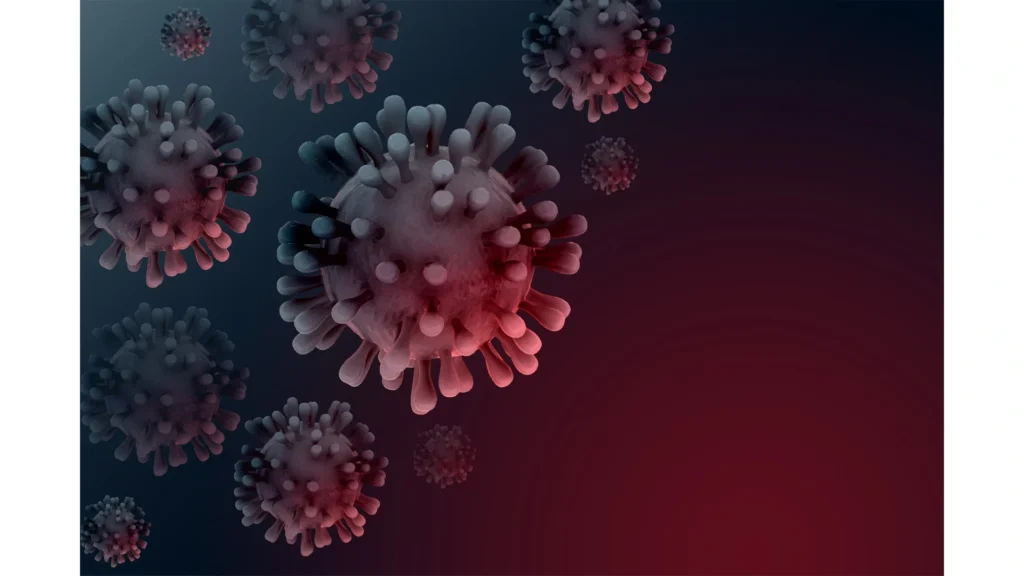
SARS CoV-2

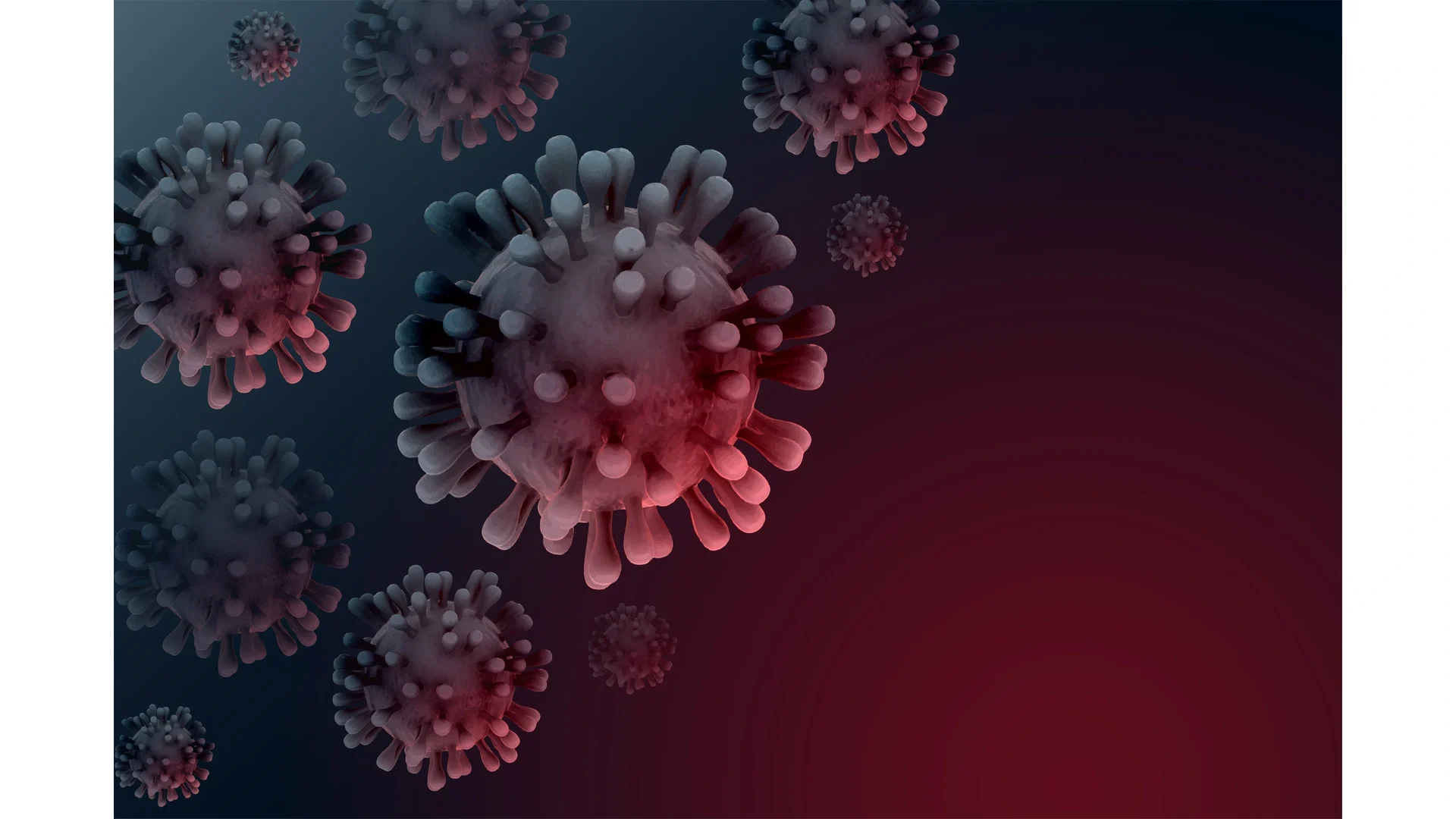
Earlier it was Covid-19, a Severe Acute Respiratory Syndrome caused by the virus Corona
Read more

Eye Cataract

When human eye’s lens starts to become cloudy, results into blurred vision
Read more

Fibroids

A 39 years old woman suffered with uterus fibroids disorder since her 20s age

Read more

Psoriasis

An incurable human skin disorder, causes skin cells to multiply up to 10 times faster than normal

Read more

Obesity

Obesity is a chronic medical condition characterised by excessive body fat accumulation that impairs health,
Read more

Liver Cirrhosis

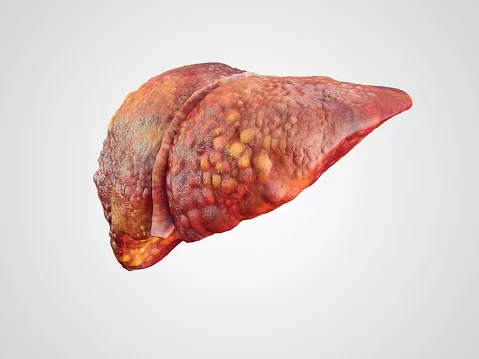
Liver Cirrhosis is a serious medical condition where healthy liver tissue is replaced by scar tissue,
Read more

Oral Cancer

Oral cancer develops in the mouth's tissues, including lips, tongue, gums, cheeks,
Read more
Human bladder cancer as a urinary anatomical organ disease and malignant cells concept as a 3D illustration cutaway of body anatomy.

Bladder cancer

Bladder cancer occurs when cells in the bladder lining grow uncontrollably,

Read more

Sleep Apnea

Sleep Apnea is a serious sleep disorder common in Indian men, especially those who are overweight,
Read more

Osteoporosis

Osteoporosis reduces bone density and strength, causing bones to become brittle and prone to
Read more

Neurological Disorders

Neurological disorders affect the brain, spinal cord, and nerves, causing issues like headaches,
Read more

Diabetes

Diabetes is a chronic condition where blood glucose (sugar) levels remain too high due
Read more

High blood pressure

High blood pressure, or hypertension, occurs when the force of blood against artery
Read more

Coronary Artery Disease

Coronary artery disease (CAD) develops when plaque builds up inside the coronary arteries,

Read more

Stroke​

A stroke occurs when blood flow to the brain is interrupted, either by a blockage or bleeding,

Read more

High cholesterol​

High cholesterol refers to having an excessive amount of cholesterol—a fatty substance—in your blood.

Read more

Joint pain

Joint pain is a common condition characterized by discomfort, aches, and soreness in one or more joints.

Read more

Asthma​

Asthma is a chronic respiratory condition that causes the airways in the lungs to become inflamed,
Read more

Chronic obstructive pulmonary disease

Chronic Obstructive Pulmonary Disease (COPD) is a progressive lung condition that obstructs airflow,
Read more

Fatty liver

Fatty liver disease occurs when excess fat builds up in the liver cells, often due to obesity, type 2 diabetes,

Read more

Lung Cancer

Lung cancer is a serious disease characterized by the uncontrolled growth of malignant cells in the lung tissues.

Read more

Depression

Depression, also known as major depressive disorder, is a common mood disorder
Read more

Tuberculosis

Tuberculosis (TB) is a serious bacterial infection primarily affecting the lungs,

Read more

Pneumonia​

Pneumonia is an infection that inflames the air sacs in one or both lungs,

Read more

Diarrhoeal diseases

Diarrhoeal diseases involve frequent passage of loose or watery stools,
Read more

Urinary tract infection

A urinary tract infection (UTI) is a common infection that can affect any part of the urinary system,
Read more

Polycystic ovary syndrome

Polycystic Ovary Syndrome (PCOS) is a common hormonal disorder affecting women

Read more

Thyroid problems

Thyroid problems occur when the thyroid gland, located in the neck,

Read more

sexual health problems​

Sexual health problems encompass a range of conditions that interfere with sexual desire,

Read more

Sleep disorders

Sleep disorders are conditions that disrupt normal sleep patterns, affecting sleep quality,
Read more

Substance use disorders

Substance use disorder (SUD) involves a problematic pattern of using alcohol, tobacco
Read more

Inflammatory bowel disease

Inflammatory bowel disease (IBD) is a long‑term condition in which parts of the digestive

Read more

Autoimmune diseases 

Autoimmune diseases are conditions in which the body’s immune system,
Read more

Influenza

Influenza, commonly called “the flu”, is a contagious viral infection that mainly affects the nose,
Read more

Chickenpox

Chickenpox is a highly contagious viral infection that causes an itchy, blister‑like rash along
Read more

Anemia

Anemia is a condition where the body lacks enough healthy red blood cells

Read more

Migraines

Migraines are severe, recurring headaches often affecting one side of the head,
Read more

Hypothyroidism

Hypothyroidism, or underactive thyroid, occurs when the thyroid
Read more

Gestational Diabetes

Gestational diabetes is a type of diabetes that first appears during pregnancy,
Read more

Dry Eye Syndrome

Dry Eye Syndrome occurs when eyes fail to produce enough tears

Read more

Prostate cancer​

Prostate cancer develops in the prostate gland, a walnut-sized organ in men
Read more

Testicular cancer

Testicular cancer is a disease in which cancer cells develop in the tissues of one or both testicles,
Read more

Penile cancer 

It arises when healthy cells grow uncontrollably, with about half of cases linked to high-risk human papillomavirus (HPV) strains spread through skin-to-skin genital contact.

Read more

Prostatitis

Prostatitis is inflammation or infection of the prostate gland, a walnut-sized organ

Read more

Erectile Dysfunction

Erectile dysfunction (ED) is the consistent inability to achieve or

Read more

Low Testosterone 

Low testosterone, also known as male hypogonadism or low T,

Read more

Breast Cancer

Breast cancer is a disease in which abnormal cells in the breast grow uncontrollably,

Read more

Menstrual disorders

Menstrual disorders refer to irregularities in the menstrual cycle, including absent, heavy,

Read more

Cervical cancer

Cervical cancer forms in the cells of the cervix, the lower part of the uterus connecting

Read more

PCOS

Polycystic Ovary Syndrome (PCOS) is a common hormonal disorder affecting women of

Read more

Postpartum Hemorrhage Risks

Postpartum hemorrhage (PPH) is excessive bleeding after childbirth,

Read more

Ovarian Cysts

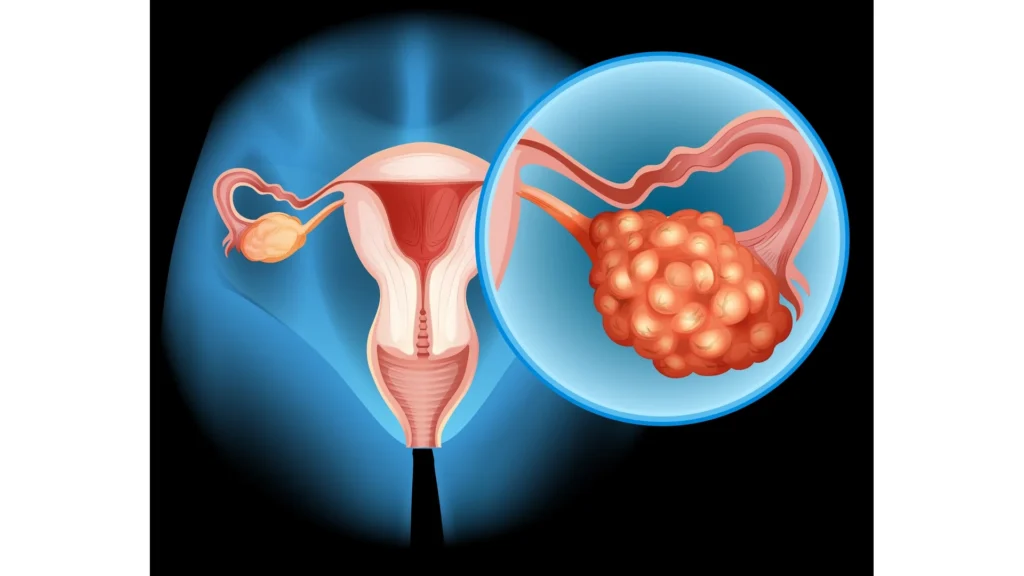
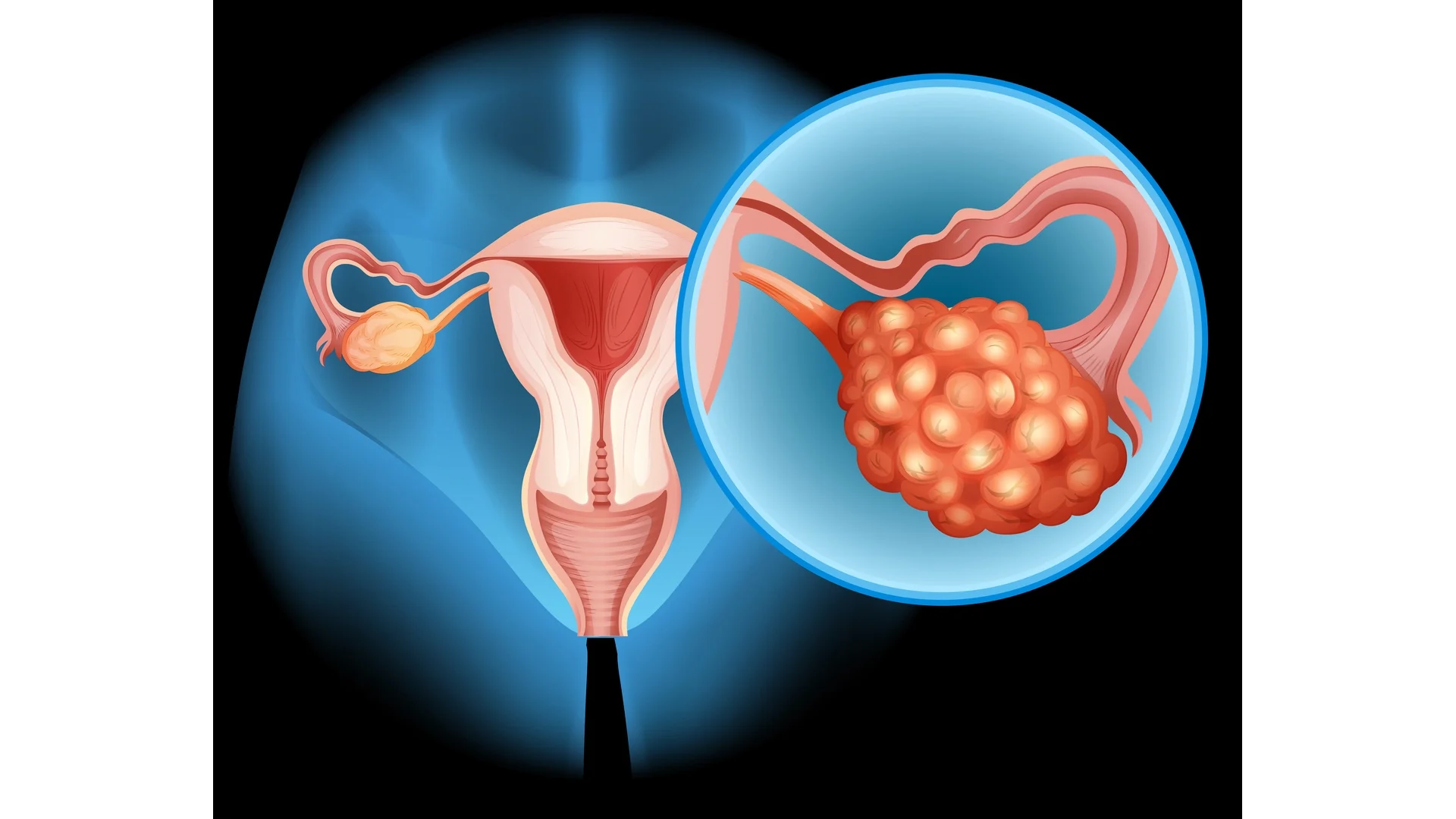
Ovarian cysts are fluid-filled sacs that develop on or inside the ovaries,

Read more

Cancer

A 30 years old Cancer Patient (7011473644) with two large tumors, given up by Allopathic Doctors after chemotherapy, recovering with our Naturopathic treatment, please contact 9915667793.

Heart Diseases

According to the Centre for Disease Control and Prevention (CDC), heart disorders are the leading cause of death in the USA, and around 1 in every 4 deaths occurring in the US are due to cardiac failure. The situation in no way is different in India. There are various types of heart diseases due to which heart failure deaths happen. The treatment includes different types of medications for a long-term basis and these medicines give SIDE EFFECTS. These coronary blockages are generally corrected through Bypass SURGERY and Stent which involve huge costs along with risk factors. We Naturopathy Practitioners are opening these blockages with no need to undergo heart Surgery along with no side effects.

A dilated heart myopathy by-pass Patient (9819992178) given up by Cardiologist & advices heart transplant with heart/liver/stomach discomfort and oedema is recovering with our Naturopathic treatment, please contact 9915667793.

Brain Tumors

They can be both cancerous and non-cancerous, when a tumor starts growing inside the skull, it can cause brain damage and can also be life-threatening. Allopathic Doctors perform brain Surgery and radiotherapy of which the success rate is very low and risky, moreover, the tumors keep growing even after Surgery and there are instances where two Surgeries are performed. Surgery is very costly. Brain tumors can be dissolved through Naturopathic Medicines and there’s no possibility of regrowth and with no risk & cost-effectiveness. Our Shree Centre is curing brain tumor cases successfully.

Our brain tumor(Carcinoma) Patient(9160777319) is recovering with Naturopathic Medicines, NO SURGERY required, please call 6284022613.

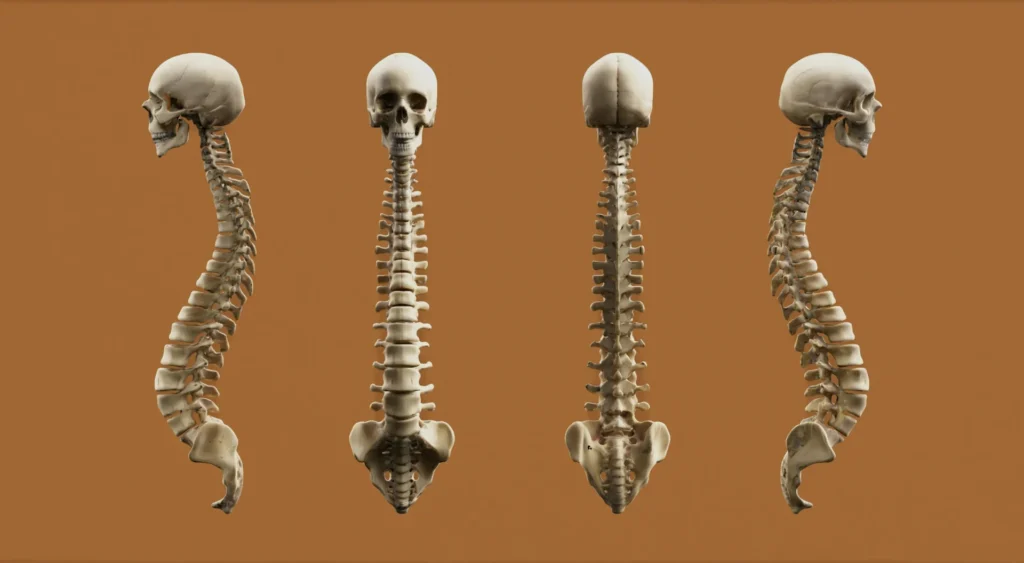
Lumbar Spondylosis

Wear & tear of the lower back Spinal discs, joint inflammation, compression of Nerve root & Spinal card, is an incurable disorder but NATUROPATHY cures and we are curing

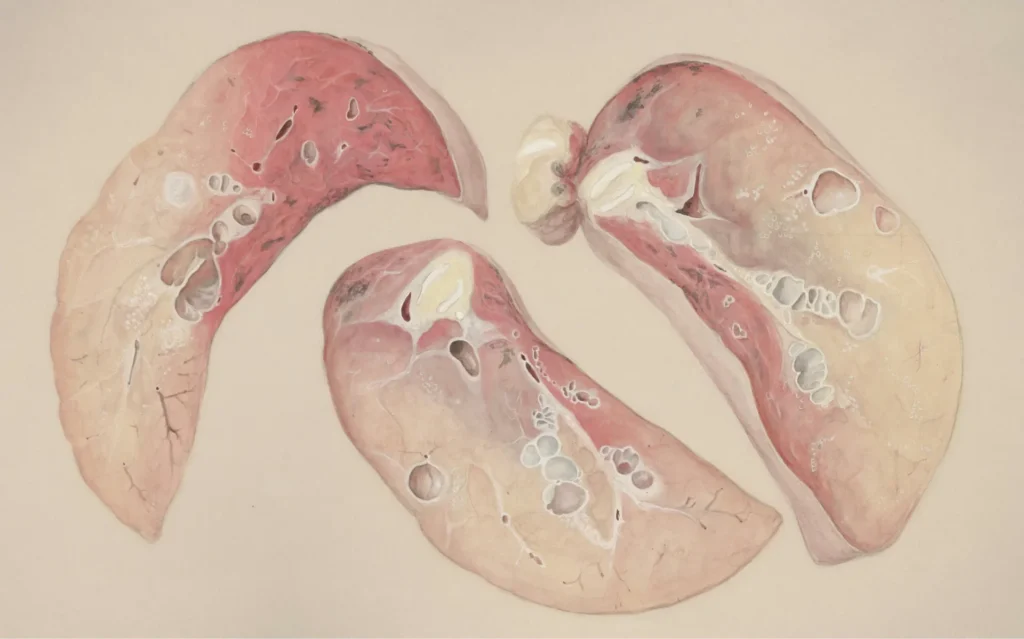
Liver Disorders

The Liver has multiple functions in the human body and makes many of the substances required by the body to function normally. It breaks down the detoxifies chemicals in the body and it also acts as a storage unit. Due to various causes, liver subjective to following diseases such as CIRRHOSIS, HEPATITIS ( A, B, C), Abnormality in IMMUNE system, CANCER, FATTY LIVER, etc. There’s no curative methods for Liver diseases in conventional medical treatments, they only manages and treat the symptoms, when it reaches to LIVER FAILURE, recommends Liver transplantation, the success rate is very low. We as Naturopathy Practitioners, cure all Liver diseases.

Chronic Kidney Disease

The causes of CKD are many, it damages the kidney and decreases their function, and leads to Kidney failure and which requires dialysis or a kidney transplant & both are not safe.
The kidney patient’s status managed with creatine levels, below 1.5 is normal, if it goes beyond 10 & above, Nephrologists recommend dialysis and also kidney transplant which is not 100% successful.
Our Shree Centre cured many kidney patients, the dialysis patients become non-dialysis. Finally, CKD is cured.

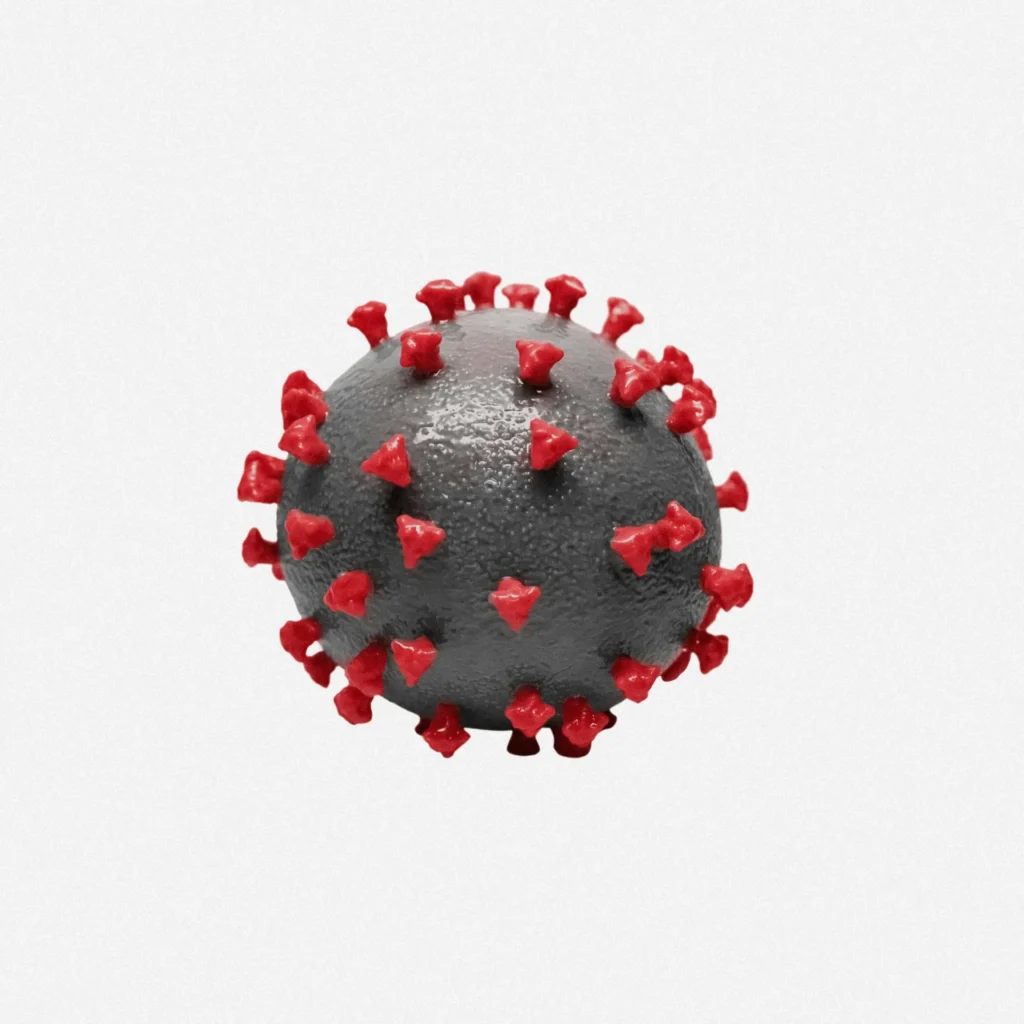
SARS CoV-2

Earlier it was Covid-19, a Severe Acute Respiratory Syndrome caused by the virus Corona (SARS CoV-2) is the ongoing World Pandemic. Since May 2020 our center is guiding & helping corona-infested Patients through Naturopathy and AYUSH methods and we are being able to successfully ensure 100% recovery. When a Covid Patient contacts our Centre, we advise Home quarantine and start with home remedies and send Naturopathic substance which protects the respiratory system. Our objective of treatment is to cure the infected persons and to protect other family members too. In our treatment maintenance of social distance is not required as all members of the family have to take the basic dose. WE ARE WELL EQUIPPED TO DEAL WITH THE LIKELY EVENT OF 3RD WAVE.

#CORONA
#Omicron – A new variant of SARS CoV-2 with 30+ mutations highly transmisable & immunoescape hitting the World,We have best Naturopathy medicine for prevention & cure please contact 9915667793.

OMICRON
Covid-19 infections first appeared in Nov- December 2019 & peaked March onwards and same in the case of 2021 & now threatening to repeat in 2022, AYUSH methods are best to beat Corona,please contact 9915667793.

#OMICRON
Cure with Naturopathy all incurable(with Allopathic) diseases like Asthma, Sinus,Lung & strengthen ur immunity in order fight new #Corona variant, pl call 9915667793.

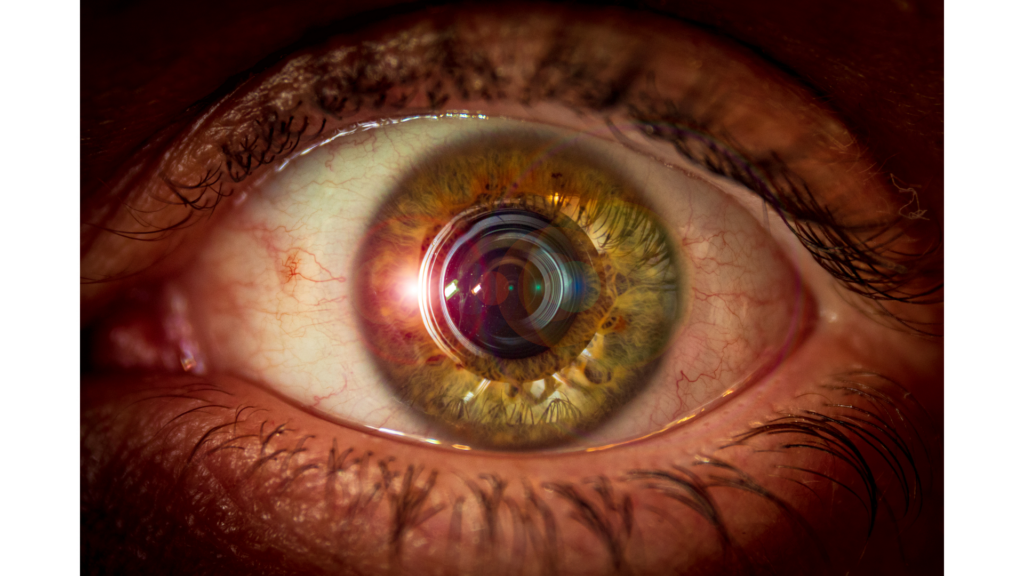
Eye Cataract

When human eye’s lens starts to become cloudy, results into blurred vision and same is corrected with SURGERY, whereas this disorder can be cured with Naturopathy without SURGERY, our Patients “9963333237”  already cured and there is need to go for cataract operation. EYE CATARACT.

Fibroids

A 39 years old woman “8247589370” suffered with uterus fibroids disorder since her 20s age, corrected with surgery and problem again reappeared in 30s with huge growth, we cured with our treatment, within 6 months. No surgery required.

Psoriasis

An incurable human skin disorder, causes skin cells to multiply up to 10 times faster than normal, the skin buildup into bumpy red patches with white scales, CAUSES ARE UNKNOWN, we are CURING.

Obesity

Obesity is a chronic medical condition characterised by excessive body fat accumulation that impairs health, particularly common in Indian men due to urban lifestyles and diets high in refined carbs.​

Key Symptoms in Men
Excess abdominal fat (waist >40 inches) leads to an “apple-shaped” body and increased metabolic risks.​

Shortness of breath, fatigue, and reduced stamina even with mild activity, plus excessive sweating.​

Snoring, sleep apnea, joint/back pain, skin issues, and psychological effects like low self-esteem or depression.​

Health Risks
Obesity raises the chances of type 2 diabetes, heart disease, stroke, fatty liver, osteoarthritis, infertility, and certain cancers, with 1 in 4 Indian adults now affected.​

Causes Specific to Indian Men
Sedentary jobs, stress, poor sleep, genetic factors, and consumption of sugary drinks/fast food drive central obesity, even in those appearing normal weight.​

Liver Cirrhosis

Liver Cirrhosis is a serious medical condition where healthy liver tissue is replaced by scar tissue, impairing the liver’s ability to function properly. This condition develops over time due to chronic liver damage from causes like long-term alcohol use, viral hepatitis (B or C), fatty liver disease, or genetic disorders.​

Symptoms
Early symptoms may be mild or absent but can include fatigue, nausea, loss of appetite, weight loss, and abdominal discomfort. As cirrhosis progresses, symptoms worsen and include yellowing of the skin or eyes (jaundice), swelling of the legs or abdomen due to fluid buildup (ascites), easy bruising or bleeding, itchy skin, confusion or drowsiness (hepatic encephalopathy), and visible spider-like blood vessels on the skin.​

Causes and Risks
The main causes are chronic alcohol consumption, persistent infections with hepatitis B or C, nonalcoholic fatty liver disease linked to obesity and diabetes, autoimmune liver inflammation, and inherited diseases. These factors cause repeated liver inflammation, leading to irreversible scarring (fibrosis).

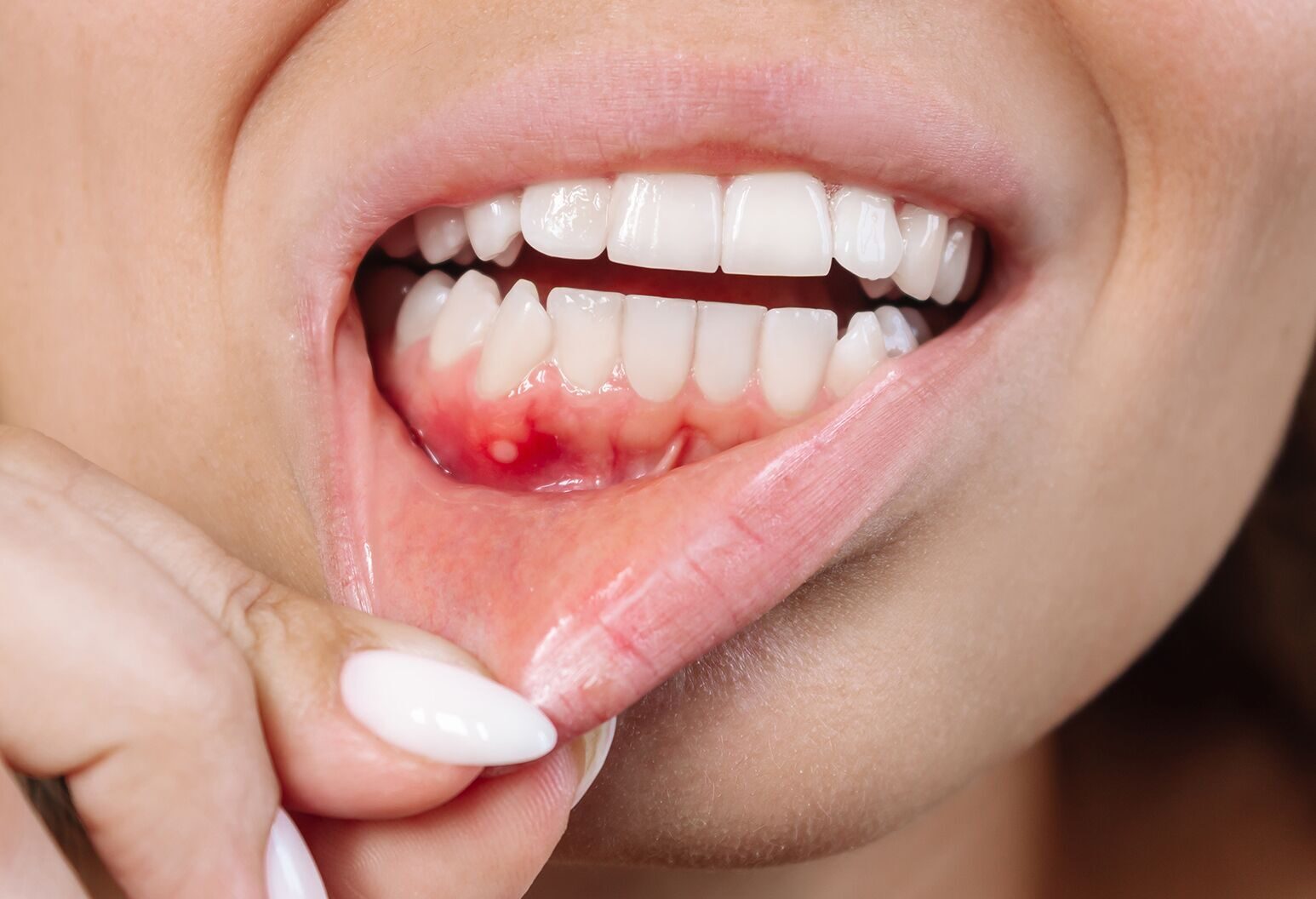
Oral Cancer

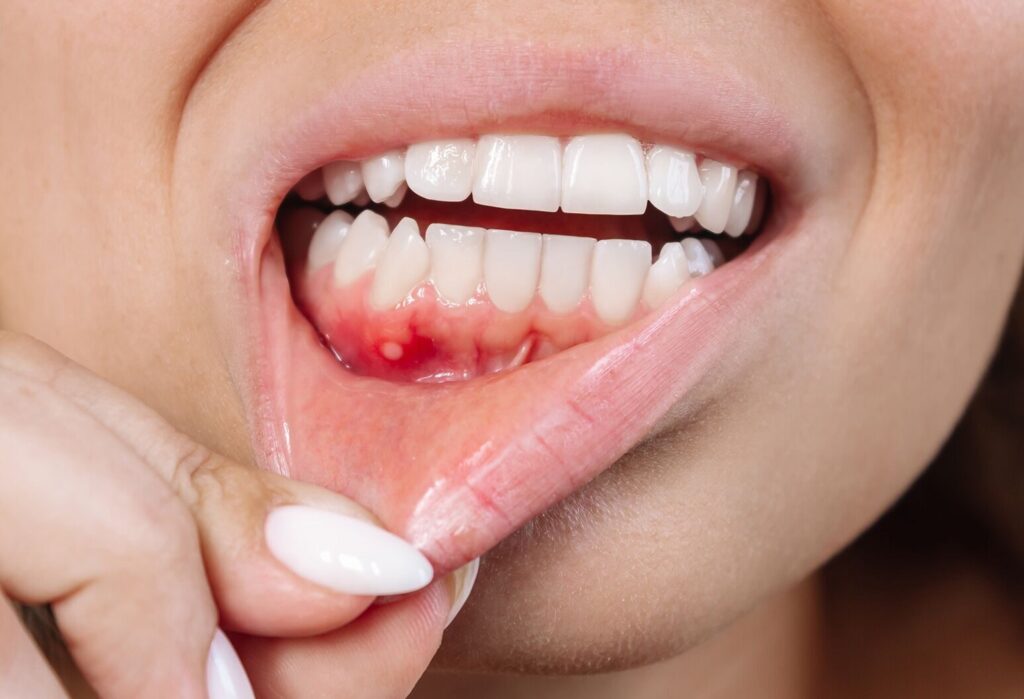
Oral cancer develops in the mouth’s tissues, including lips, tongue, gums, cheeks, floor, or roof, mostly as squamous cell carcinoma (90% of cases). It spreads quickly if undetected, but early diagnosis improves 5-year survival to 63-80%.​

Why It Matters for Indian Men

Men over 40 face the highest risk, constituting 95% of tobacco-related cases in India, where it’s the top male cancer and 13-16% of all cancers. Combined tobacco-alcohol use multiplies risk 10-fold.​

Common Symptoms and Early Signs

  • Non-healing sores/ulcers on lips, tongue, or mouth lasting over 2 weeks.
  • Red/white patches, lumps, or thickened areas in the mouth/cheeks.
  • Persistent pain, numbness, bleeding, loose teeth, or denture fit issues.​
  • Difficulty chewing/swallowing, jaw stiffness, sore throat, hoarseness, ear pain, or unexplained weight loss.​

Causes and Risk Factors

  • Tobacco (smoking/chewing) and alcohol as primary triggers.
  • HPV infection, poor oral hygiene, sharp teeth irritation, sun exposure (lips), and low fruit/veg intake.​
  • Age >45, male gender, family history, and chronic infections like Candida.​

How SCIM Can Help

SCIM provides comprehensive oral cancer care from screening to advanced treatment:

  • Early detection via oral exams, biopsy, and imaging (CT/PET scans).
  • Surgery, radiation, chemotherapy, or targeted therapy based on stage.
  • Tobacco cessation support, nutritional rehab, and speech/swallow therapy post-treatment.

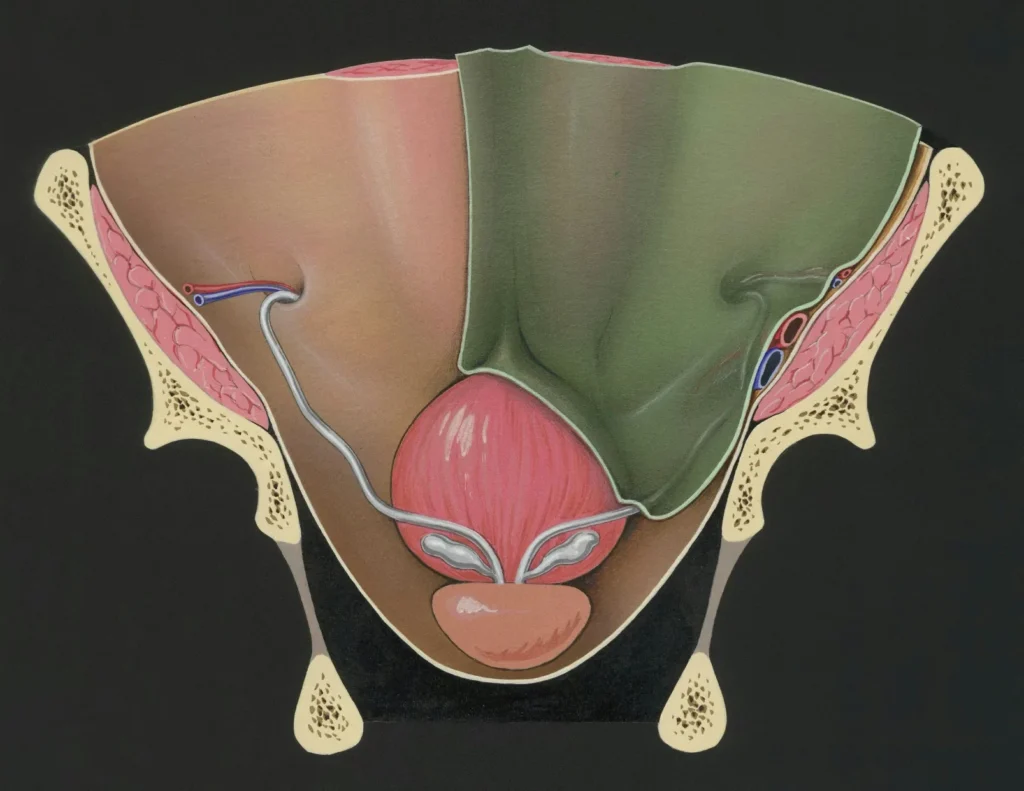
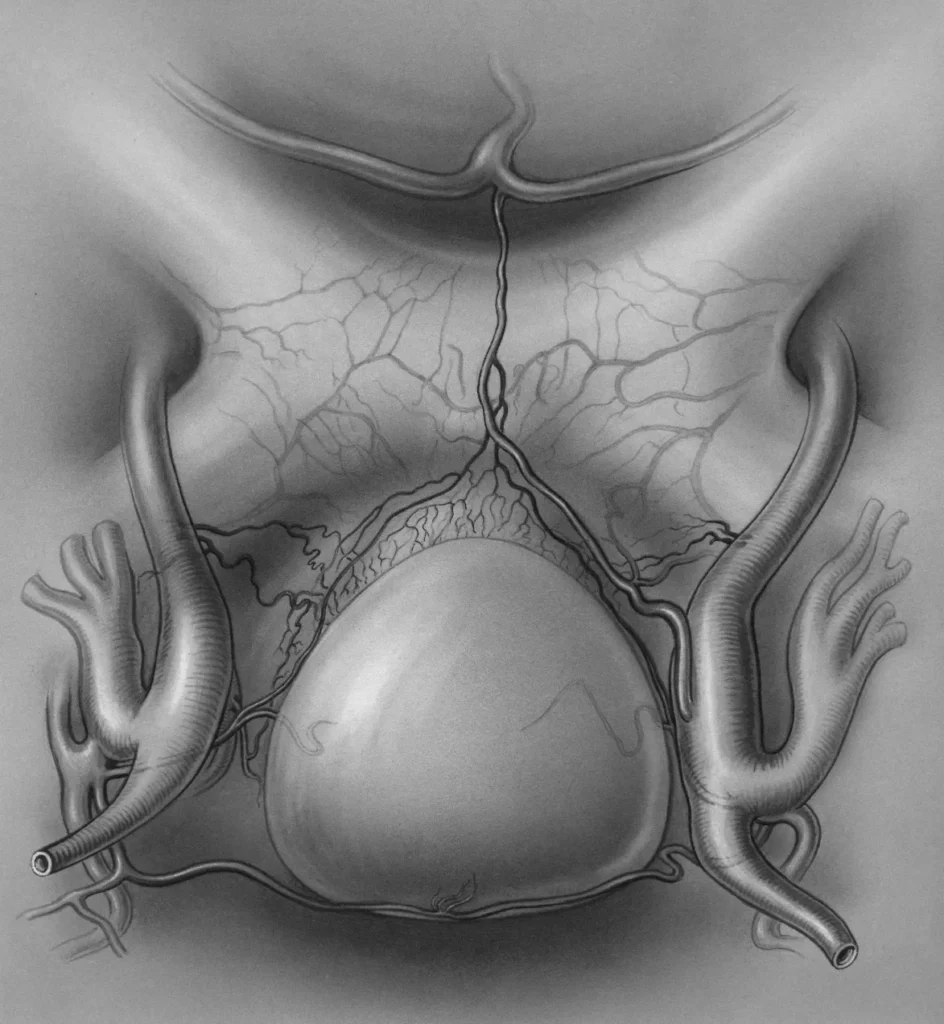
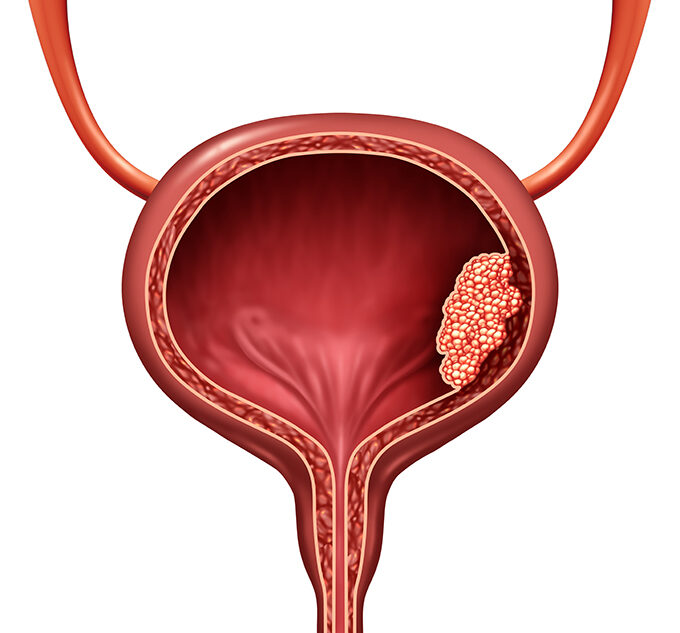
Human bladder cancer as a urinary anatomical organ disease and malignant cells concept as a 3D illustration cutaway of body anatomy.

Bladder cancer

Bladder cancer occurs when cells in the bladder lining grow uncontrollably, forming tumors that can spread if untreated. In India, it accounts for about 3% of all cancers, affecting men three times more than women due to tobacco use, chemical exposure, and chronic infections.​

Symptoms to Watch For

  • Blood in urine (hematuria), often painless and making urine pink, red, or cola-colored, is the most common early sign.​
  • Frequent or urgent urination, painful burning during urination (dysuria), or a weak urine stream.​
  • Lower back or pelvic pain, fatigue, unexplained weight loss, or leg swelling in advanced cases.​

Risk Factors for Indian Men

  • Smoking or chewing tobacco (major cause, responsible for 50%+ cases).​
  • Exposure to chemicals like dyes or paints, family history, or chronic bladder infections/UTIs.​
  • Age over 55, male gender, and obesity increase vulnerability.

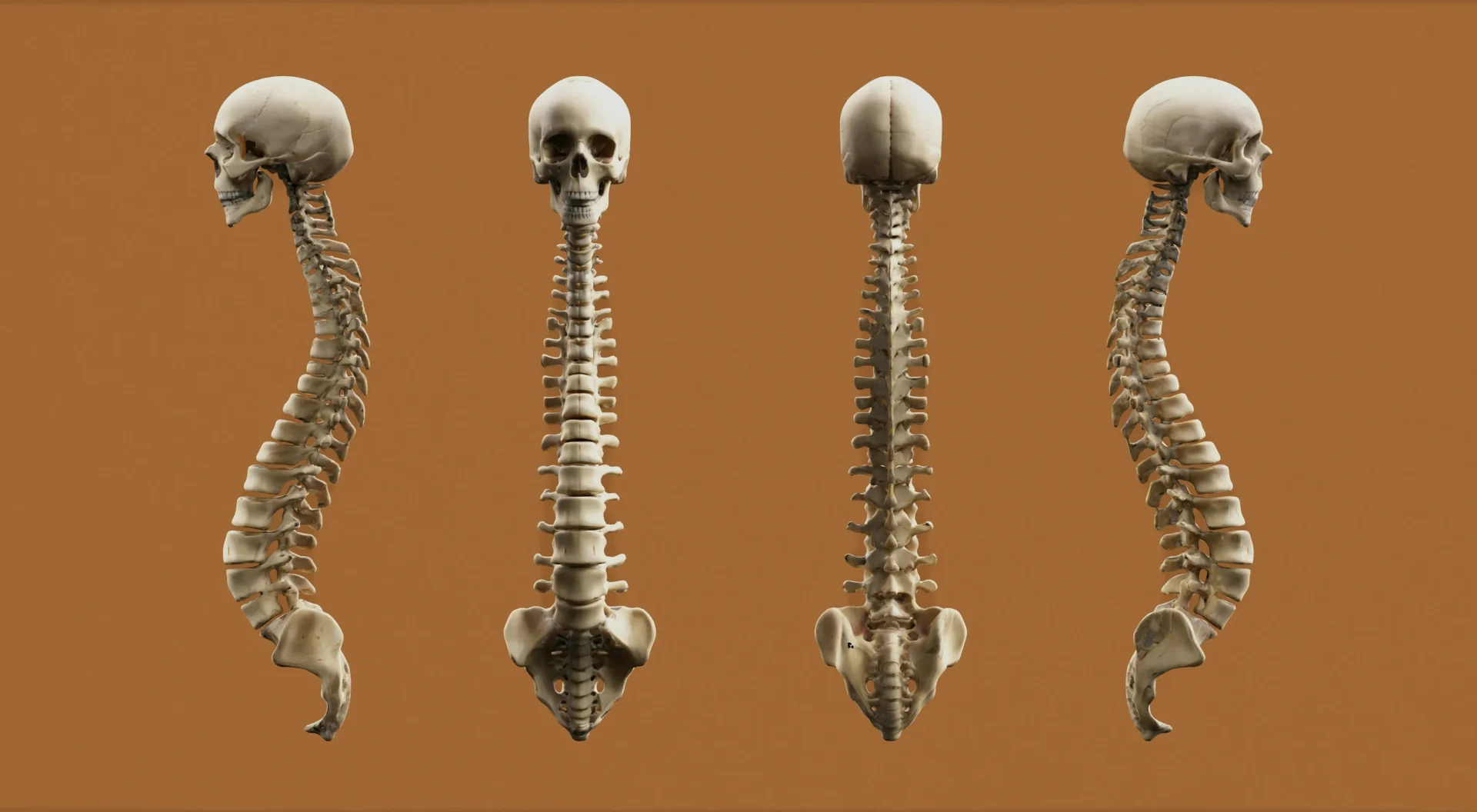
Sleep Apnea

Sleep Apnea is a serious sleep disorder common in Indian men, especially those who are overweight, where breathing repeatedly stops and starts during sleep, leading to poor rest and health risks.​

Sleep Apnea – Overview

This condition, primarily obstructive sleep apnea (OSA), occurs when throat muscles relax and block the airway, causing 10+ second pauses in breathing multiple times per night. In India, about 14% of men suffer from it, far higher than women, due to higher obesity rates and neck size.​

Why It Matters for Men

Untreated sleep apnea raises risks of heart disease, high blood pressure, stroke, diabetes, and fatigue-related accidents; men face 2-3 times higher odds due to anatomy and lifestyle. It also contributes to weight gain, low energy, and mood issues, affecting work and relationships.​

Common Symptoms and Risks

  • Nighttime: Loud snoring, gasping/choking, breathing pauses (noticed by partner), restless sleep, dry mouth, night sweats.​
  • Daytime: Excessive sleepiness, morning headaches, fatigue despite full sleep, irritability, poor focus, depression.​
  • Risks include hypertension, irregular heartbeat, and weakened immunity.​

Causes and Triggers

  • Excess weight (especially neck/abdomen), smoking, alcohol, aging, family history, and nasal congestion.​
  • Common in Indian men from desk jobs, pollution, and spicy late meals, worsening airway issues.​

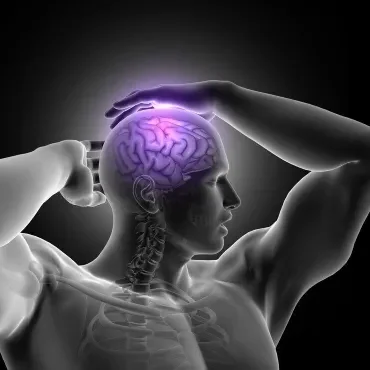
Osteoporosis

Osteoporosis reduces bone density and strength, causing bones to become brittle and prone to fractures from minor falls or stress like bending or coughing. It affects 1 in 4 men over 50 globally, with Indians developing it earlier due to vitamin D deficiency, low calcium intake, and genetics—nearly 61 million cases in India, rising fast in urban men.​

Why It Matters for Men

Men lose bone mass after 50 as testosterone drops, leading to hip, spine, or wrist breaks that cause disability or death. In India, poor sunlight exposure, smoking, alcohol, and sedentary jobs accelerate risks, often mistaken for “normal aging”.​

Common Symptoms and Risks

  • No early signs; first clue is a fracture from a small fall or no trauma.
  • Back/neck pain from collapsed vertebrae, height loss (1-2 inches over years), stooped posture, or weak grip.
  • Complications include chronic pain, mobility loss, breathing issues from spine compression, and higher heart disease risk.​

Causes and Risk Factors

  • Aging, low testosterone, vitamin D/calcium deficiency, poor diet.
  • Lifestyle: smoking, heavy drinking, inactivity, steroid use, or conditions like diabetes/thyroid issues.
  • Family history or slim build increases susceptibility in Indian men.

Neurological Disorders

Neurological disorders affect the brain, spinal cord, and nerves, causing issues like headaches, seizures, and movement problems. In India, they contribute significantly to disability, with stroke leading at 38% of neurological DALYs, followed by headaches (18%), epilepsy (11%), and cerebral palsy (6%). Women face higher rates of migraines and multiple sclerosis due to hormonal factors.​

Common Types

  • Stroke: Sudden brain blood flow disruption; a major cause of death and paralysis in Indian women.​
  • Migraine/Headache Disorders: Affects 488 million Indians; more prevalent in females with severe pain and nausea.​
  • Epilepsy: Recurrent seizures; impacts daily life, treatable with medication.​
  • Multiple Sclerosis: Autoimmune damage to nerve coverings; higher in women, causing fatigue and mobility loss.​
  • Alzheimer’s/Dementia: Memory loss in aging; prevalence rose 114% since 1990.​

Symptoms to Watch

Persistent headaches, sudden weakness, seizures, vision changes, or memory issues signal urgency. Risk factors include high blood pressure, diabetes, and air pollution.

Diabetes

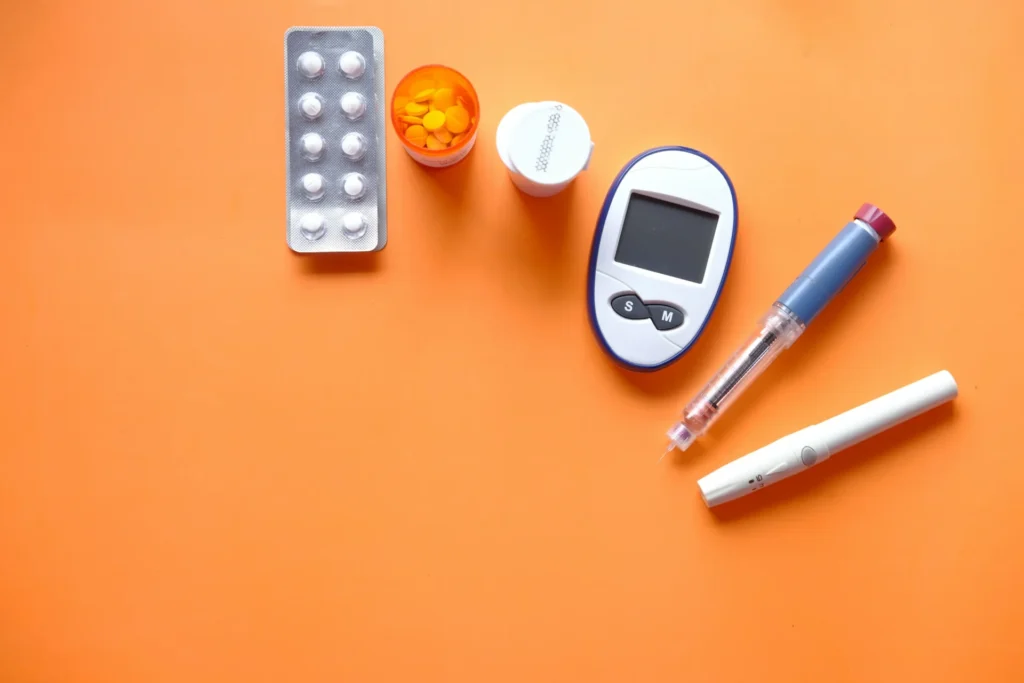
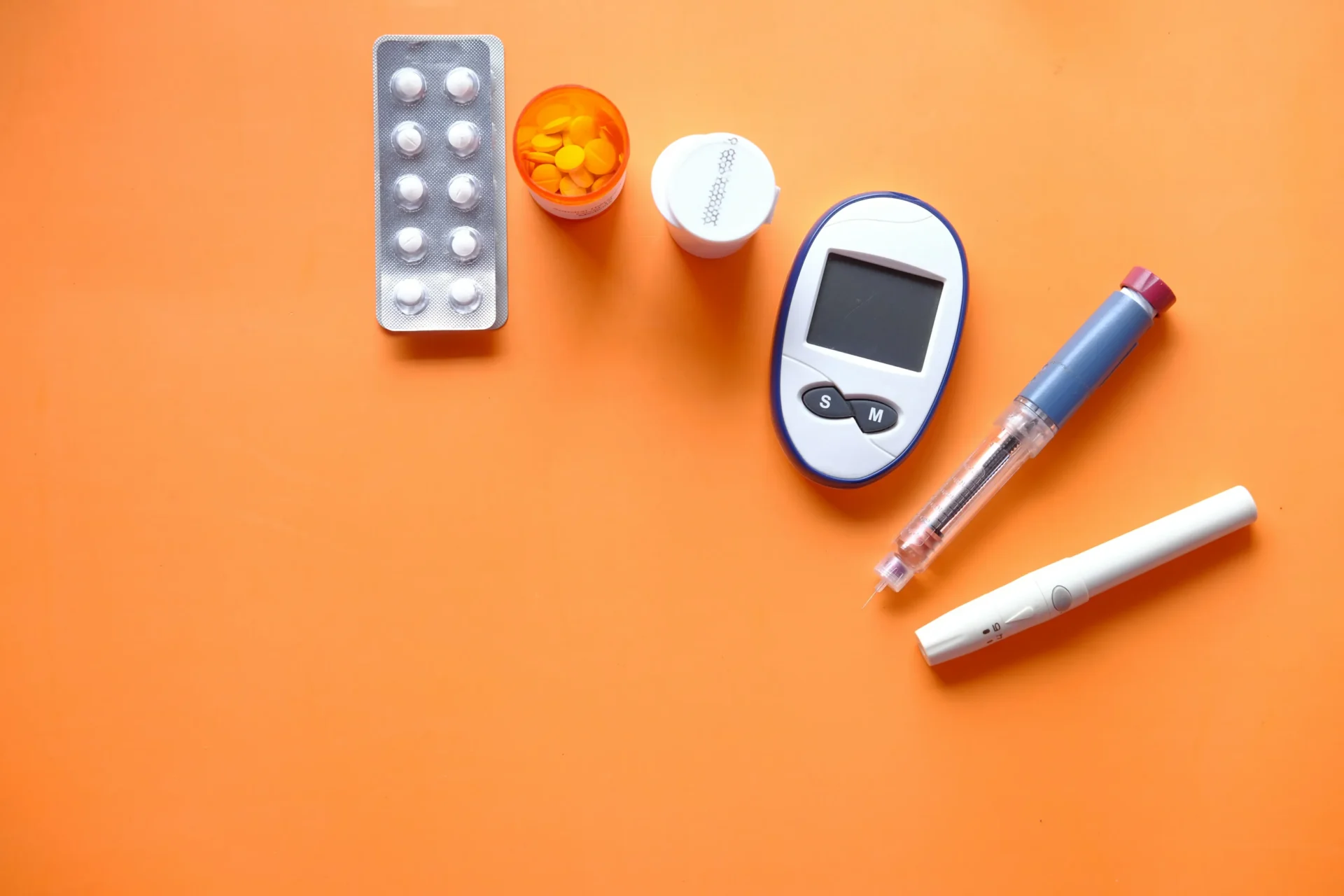
Diabetes is a chronic condition where blood glucose (sugar) levels remain too high due to insufficient insulin production or ineffective insulin use by the body. Insulin, produced by the pancreas, helps cells absorb glucose for energy; without proper function, excess sugar builds up, damaging organs over time.

Types of Diabetes

  • Type 1 Diabetes: An autoimmune disorder where the immune system destroys insulin-producing pancreas cells, often starting in childhood or young adulthood; requires lifelong insulin therapy.​
  • Type 2 Diabetes: The most common form (over 90% of cases), caused by insulin resistance where cells don’t respond well to insulin, often linked to obesity, inactivity, and family history; manageable with lifestyle changes and medications.​
  • Gestational Diabetes: Occurs during pregnancy due to hormonal changes affecting insulin; usually resolves post-delivery but increases future Type 2 risk.​

Common Symptoms

Frequent urination, excessive thirst, unexplained weight loss, fatigue, blurred vision, slow-healing wounds, and frequent infections signal high blood sugar. Type 1 symptoms appear suddenly, while Type 2 develops gradually and may go unnoticed for years.​

Risk Factors and Complications

Key risks include obesity, sedentary lifestyle, poor diet, family history, age over 45, and certain ethnic backgrounds like South Asians. Untreated, it leads to heart disease, kidney failure, nerve damage, vision loss, and foot ulcers.​

Management and Prevention

Control involves blood sugar monitoring, healthy eating, regular exercise, weight management, oral medications or insulin, and routine check-ups. Prevention focuses on a balanced diet, physical activity (150 minutes weekly), and avoiding tobacco to reduce Type 2 risk by up to 58%.

High blood pressure

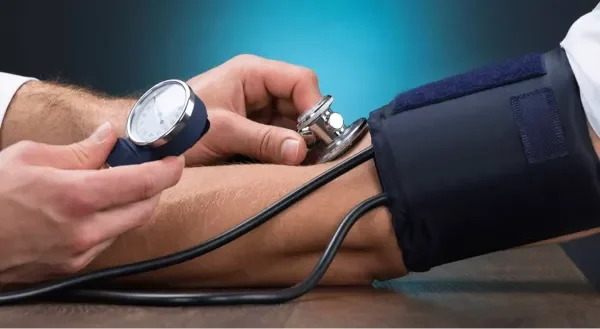
High blood pressure, or hypertension, occurs when the force of blood against artery walls is consistently too high, often developing over years without noticeable symptoms. It raises risks for heart disease, stroke, kidney damage, and vision loss if untreated.​

Symptoms

Most people experience no symptoms, earning it the nickname “silent killer,” but severe cases may cause headaches, shortness of breath, nosebleeds, fatigue, or blurred vision. Regular check-ups detect it early, as readings above 130/80 mm Hg on multiple visits confirm the diagnosis.​

Causes and Risk Factors

Primary hypertension stems from genetics, aging, and lifestyle factors like poor diet, lack of exercise, obesity, excess alcohol, smoking, and stress. Secondary hypertension arises from conditions such as kidney disease, sleep apnea, thyroid issues, or certain medications.​

Treatment Options

Lifestyle changes form the foundation: adopt a heart-healthy diet low in salt, exercise regularly, maintain a healthy weight, limit alcohol, quit smoking, and manage stress. Medications like diuretics, ACE inhibitors, beta-blockers, calcium channel blockers, or ARBs lower pressure when needed, tailored to individual factors.​

Prevention Tips

Monitor blood pressure routinely, eat potassium-rich foods, reduce sodium intake below 2,300 mg daily, aim for 150 minutes of weekly exercise, and control related conditions like diabetes. Consult a doctor for personalized plans to keep readings under 130/80 mm Hg.

Coronary Artery Disease

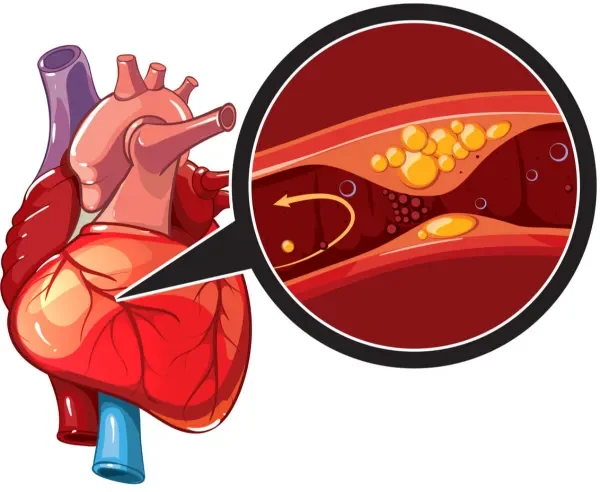
Coronary artery disease (CAD) develops when plaque builds up inside the coronary arteries, narrowing them and reducing blood flow to the heart muscle. This condition, also known as coronary heart disease, often progresses slowly over the years due to atherosclerosis.​

Common symptoms include chest pain or angina (pressure, squeezing, or tightness), shortness of breath, fatigue, and pain in the arms, neck, jaw, or back, especially during activity. In severe cases, a complete blockage can trigger a heart attack, presenting with sudden, intense chest pain, nausea, sweating, or dizziness.​

Risk factors encompass high blood pressure, high cholesterol (especially LDL), diabetes, smoking, obesity, sedentary lifestyle, and family history. Diagnosis typically involves electrocardiograms, stress tests, echocardiograms, or coronary catheterization to detect blockages.​

Treatment Options

Lifestyle changes form the foundation: adopt a heart-healthy diet low in saturated fats and sugars, exercise regularly, quit smoking, manage stress, and control weight. Medications include statins to lower cholesterol, beta-blockers or calcium channel blockers for blood pressure and heart rate, aspirin for clot prevention, and nitroglycerin for angina relief.​

For advanced cases, procedures like angioplasty (with stenting) or coronary artery bypass grafting (CABG) restore blood flow. Early intervention significantly reduces risks of heart attack, heart failure, or arrhythmias.

Stroke​

A stroke occurs when blood flow to the brain is interrupted, either by a blockage or bleeding, causing brain cells to die rapidly without oxygen and nutrients. This medical emergency, also called a brain attack, can lead to permanent disability or death if not treated immediately. Ischemic strokes (87% of cases) result from clots blocking arteries, while hemorrhagic strokes involve ruptured vessels.

Key Symptoms (FAST Test)

Recognize stroke with FAST: Face drooping (one side sags), Arm weakness (cannot hold both up), Speech difficulty (slurred or confused), Time to call emergency. Other signs include sudden numbness on one side, vision loss, severe headache, dizziness, or trouble walking. Symptoms appear quickly and depend on the affected brain area.​

Causes and Risk Factors

High blood pressure, smoking, diabetes, high cholesterol, obesity, and heart disease raise stroke risk by damaging arteries or forming clots. Ischemic types stem from plaque buildup (atherosclerosis) or emboli from the heart; hemorrhagic from aneurysms, trauma, or uncontrolled hypertension. Age over 55, family history, and prior transient ischemic attacks (TIAs or mini-strokes) increase vulnerability.​

Treatments and Prevention

Immediate treatments include clot-busting drugs (tPA for ischemic within 4.5 hours), thrombectomy, or surgery for hemorrhagic cases to stop bleeding. Rehabilitation with physical, speech, and occupational therapy aids recovery. Prevent by controlling blood pressure, quitting smoking, exercising, eating healthy, and managing diabetes.

High cholesterol​

High cholesterol refers to having an excessive amount of cholesterol—a fatty substance—in your blood. This condition can lead to the buildup of fatty deposits called plaques in the arteries, causing them to narrow and harden, a process known as atherosclerosis. Over time, this narrows blood flow and increases the risk of serious cardiovascular problems such as heart attacks, strokes, and peripheral artery disease.

High cholesterol often does not cause any symptoms itself and is commonly detected through routine blood tests. In some cases, very high cholesterol levels can lead to visible signs like yellowish deposits around the eyes (xanthelasmas) or lumps on tendons. Factors contributing to high cholesterol include poor diet (high in saturated and trans fats), obesity, lack of physical activity, genetic predisposition, and certain underlying medical conditions like diabetes, hypothyroidism, and kidney or liver disease.

If left untreated, high cholesterol can result in dangerous complications, including heart disease, stroke, and reduced blood flow to limbs, causing pain and mobility issues. Managing cholesterol through lifestyle changes and, if necessary, medication can significantly reduce these risks and improve overall heart health.

This description can be used as clear, professional content for your website’s treatment page on high cholesterol. It succinctly explains its meaning, causes, risks, and the importance of management.

Joint pain

Joint pain is a common condition characterized by discomfort, aches, and soreness in one or more joints. It can affect your ability to move and perform daily activities, often accompanied by swelling, stiffness, redness, and warmth around the joint. Causes of joint pain include osteoarthritis, where the cartilage cushioning the bones wears down over time leading to pain and stiffness, rheumatoid arthritis which is an autoimmune disorder causing joint inflammation and damage, bursitis or inflammation of the joint lining, gout caused by crystallization of uric acid in the joint, injuries such as sprains or fractures, and viral infections like hepatitis or rubella. Treatment focuses on pain relief, reducing inflammation, and restoring joint function to help improve quality of life.

Asthma​

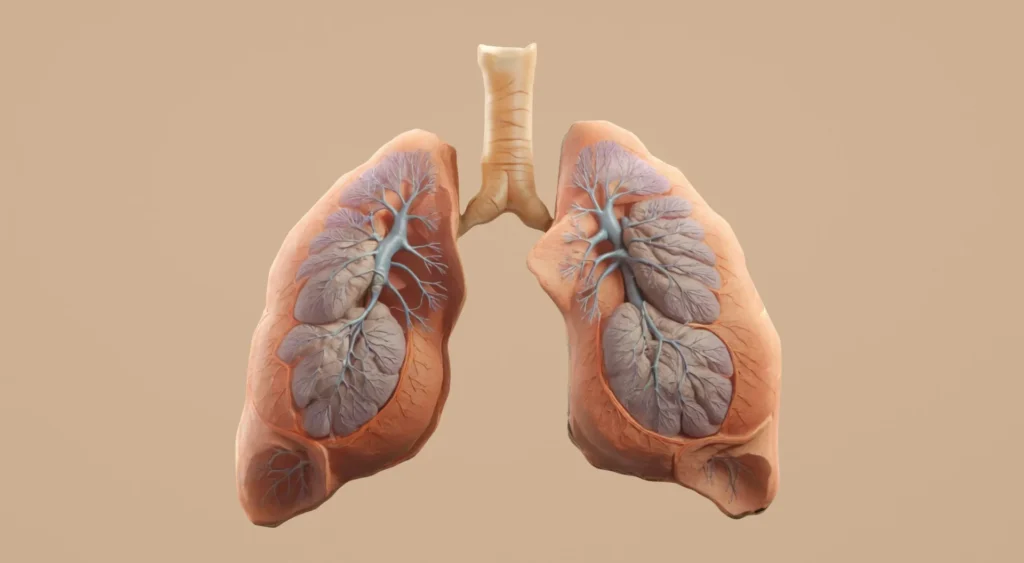
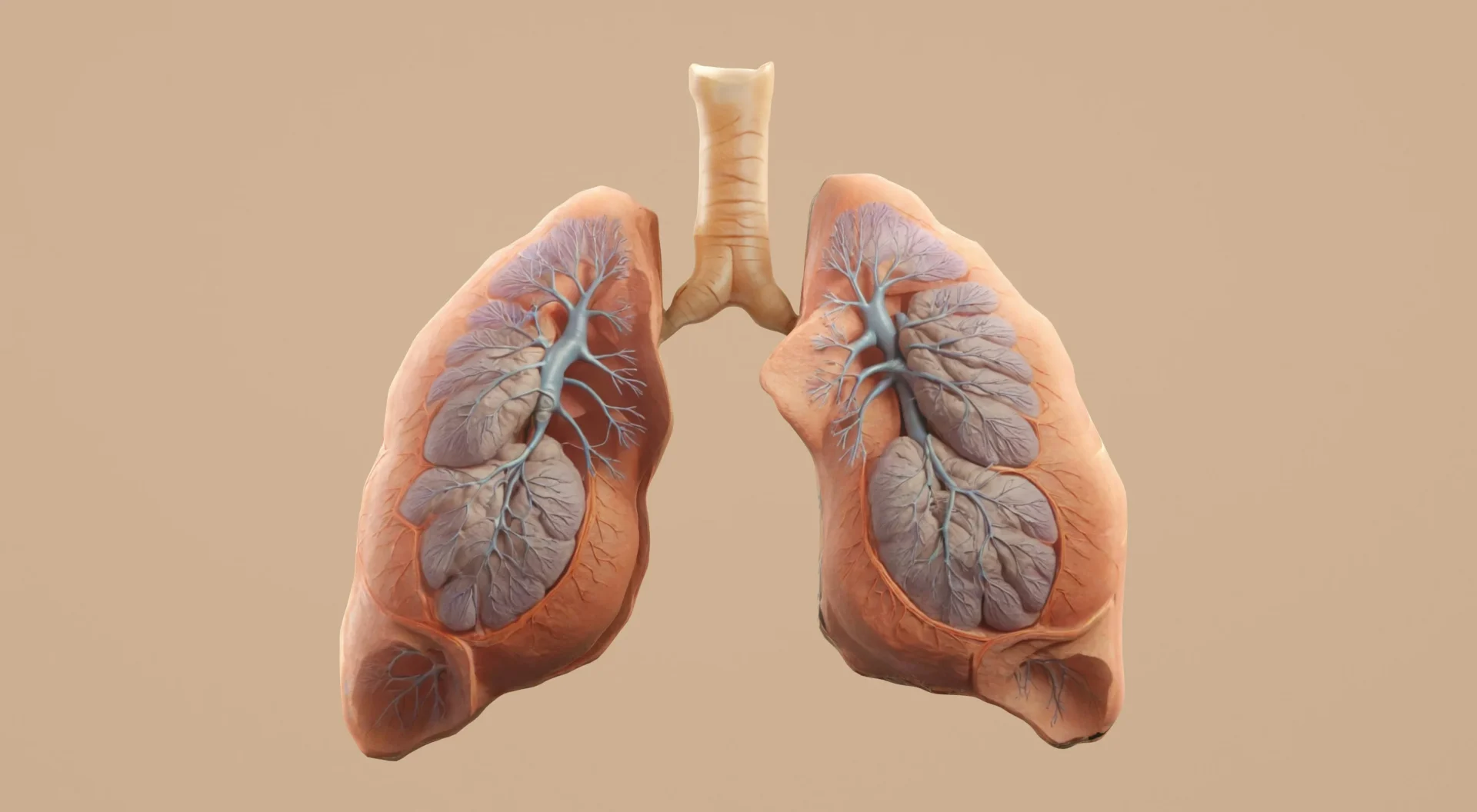
Asthma is a chronic respiratory condition that causes the airways in the lungs to become inflamed, swollen, and narrowed, often producing excess mucus. This leads to difficulty in breathing, chest tightness, coughing, and wheezing. Asthma symptoms can vary in intensity and may be triggered by factors like allergens (such as pollen, dust, or pet dander), smoke, cold air, exercise, stress, and respiratory infections. Asthma attacks can sometimes be severe and life-threatening if not properly managed. Although asthma cannot be cured, its symptoms can be controlled effectively with proper treatment and avoiding known triggers.

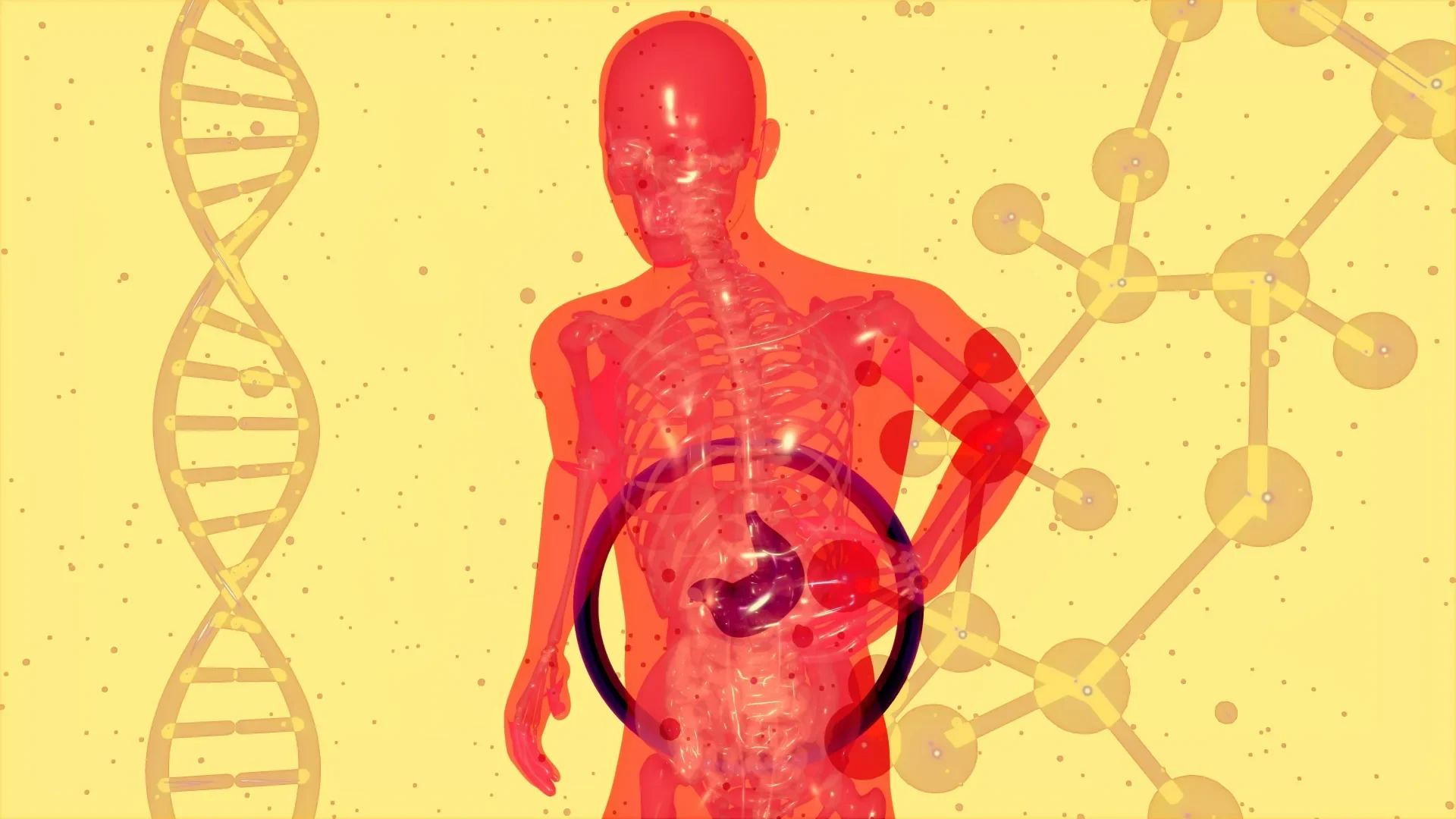
Chronic obstructive pulmonary disease

Chronic Obstructive Pulmonary Disease (COPD) is a progressive lung condition that obstructs airflow, primarily caused by long-term exposure to irritants like cigarette smoke, air pollution, dust, or chemicals, leading to chronic inflammation and damage in the airways and lung tissue.​

Symptoms

Common symptoms include persistent cough with mucus (phlegm), shortness of breath, especially during activity, wheezing, chest tightness, frequent respiratory infections, fatigue, and unintended weight loss in advanced stages. Symptoms often worsen over time and can lead to acute flare-ups triggered by infections or pollutants.​

Causes and Risk Factors

The main cause is smoking, accounting for most cases, followed by secondhand smoke, occupational exposures, indoor air pollution from biomass fuels (common in India), and genetic factors like alpha-1 antitrypsin deficiency. Long-term respiratory infections or asthma can also contribute to its development.​

Treatment Options

COPD has no cure, but treatments focus on symptom relief, slowing progression, and improving quality of life through quitting smoking, bronchodilator inhalers (short- and long-acting), inhaled corticosteroids, oxygen therapy, pulmonary rehabilitation, and vaccines against flu, pneumonia, and COVID-19. During exacerbations, antibiotics, oral steroids, or hospitalization may be needed; severe cases might require surgery, like lung volume reduction or transplant.​

Prevention and Management

Prevent COPD by avoiding tobacco smoke and pollutants, maintaining a healthy weight, exercising regularly, and getting vaccinated; early diagnosis via spirometry improves outcomes. Lifestyle changes like pulmonary rehab programs enhance breathing and daily function.

Fatty liver

Fatty liver disease occurs when excess fat builds up in the liver cells, often due to obesity, type 2 diabetes, high cholesterol, or excessive alcohol consumption. It is classified into metabolic dysfunction-associated steatotic liver disease (MASLD, formerly NAFLD) for non-alcohol-related cases and alcohol-related liver disease (ALD) when heavy drinking contributes. Early stages typically show no symptoms, but advanced cases may cause fatigue, upper right abdominal pain, weight loss, or jaundice.​

Causes and Risk Factors

Common causes include insulin resistance, metabolic syndrome, rapid weight loss, and certain medications, with genetics also playing a role. Risk factors heighten with abdominal obesity, hypothyroidism, polycystic ovary syndrome, or sleep apnea. In India, rising lifestyle diseases like diabetes and poor diet contribute significantly to its prevalence.​

Symptoms and Complications

Mild symptoms involve malaise or discomfort in the upper abdomen, while severe progression leads to inflammation (steatohepatitis), scarring (cirrhosis), ascites, or liver cancer. Yellowing of skin/eyes, dark urine, or swollen abdomen signals advanced damage.​

Treatment and Prevention

Treatment focuses on lifestyle changes: lose 5-10% body weight through diet (low sugar, high fruits/vegetables), regular exercise, blood sugar/cholesterol control, and quitting alcohol. Medications like vitamin E or pioglitazone may help in select cases, with no specific cure, but reversal is possible in early stages. Regular screenings via ultrasound or blood tests aid early detection.

Lung Cancer

Lung cancer is a serious disease characterized by the uncontrolled growth of malignant cells in the lung tissues. It often develops silently and is commonly associated with symptoms like a persistent cough lasting over three weeks, shortness of breath, chest pain, hoarseness, and unexplained weight loss. Some patients may also experience coughing up blood or recurrent respiratory infections. Because symptoms can resemble less serious conditions initially, lung cancer is often diagnosed at a later stage when it may have already spread.​

Treatment options for lung cancer depend on the type and stage of the disease, as well as the location and overall health of the patient. Common therapies include surgery to remove the tumor or part of the lung, radiation therapy to destroy cancer cells, chemotherapy to kill rapidly dividing cells, targeted drug therapy that attacks specific genetic mutations in cancer cells, and immunotherapy, which helps the immune system recognize and kill cancer cells. In some cases, procedures to relieve symptoms, such as draining excess fluid from around the lungs, are also part of treatment.​

The leading cause of lung cancer is smoking, which exposes lung tissue to harmful carcinogens that cause inflammation, DNA mutations, and immune system weakening. Secondhand smoke is also a significant risk factor. Early detection and treatment significantly improve outcomes, so it is important to seek medical advice if symptoms like persistent cough, breathlessness, or chest pain occur.

Depression

Depression, also known as major depressive disorder, is a common mood disorder characterized by persistent feelings of sadness, hopelessness, and loss of interest in daily activities that lasts for at least two weeks. It affects how individuals think, feel, and behave, often leading to emotional distress and physical symptoms that interfere with work, relationships, and self-care. Unlike temporary sadness, depression requires professional treatment as it cannot be simply overcome by willpower.​

Key Symptoms

Common signs include continuous low mood, irritability, fatigue, sleep disturbances (insomnia or oversleeping), appetite changes with weight fluctuations, feelings of worthlessness or excessive guilt, difficulty concentrating, and recurrent thoughts of death or suicide. Physical manifestations may involve unexplained aches, slowed movements, or low energy, while psychological effects encompass anxiety, loss of pleasure in hobbies, and social withdrawal. Symptoms vary by age, with children showing irritability and clinginess, teens displaying anger or substance use, and older adults experiencing memory issues or isolation.​

Causes and Risk Factors

Depression arises from a mix of biological factors like brain chemistry imbalances in neurotransmitters (serotonin, dopamine), genetic predisposition, and hormonal changes, alongside environmental triggers such as trauma, stress, chronic illness, or lack of social support. Family history increases risk, as does substance misuse, obesity, or major life events like loss or abuse. In India, rising chronic stress and lifestyle factors contribute to higher prevalence, especially among women [ from prior context].​

Treatment Options

Effective treatments include psychotherapy (like cognitive behavioral therapy), antidepressants to balance brain chemicals, lifestyle changes (exercise, diet, sleep hygiene), and in severe cases, electroconvulsive therapy or hospitalization for suicide risk. Early intervention improves outcomes, with most people experiencing relief through combined medication and counseling. Consult a healthcare professional for personalized diagnosis and management.

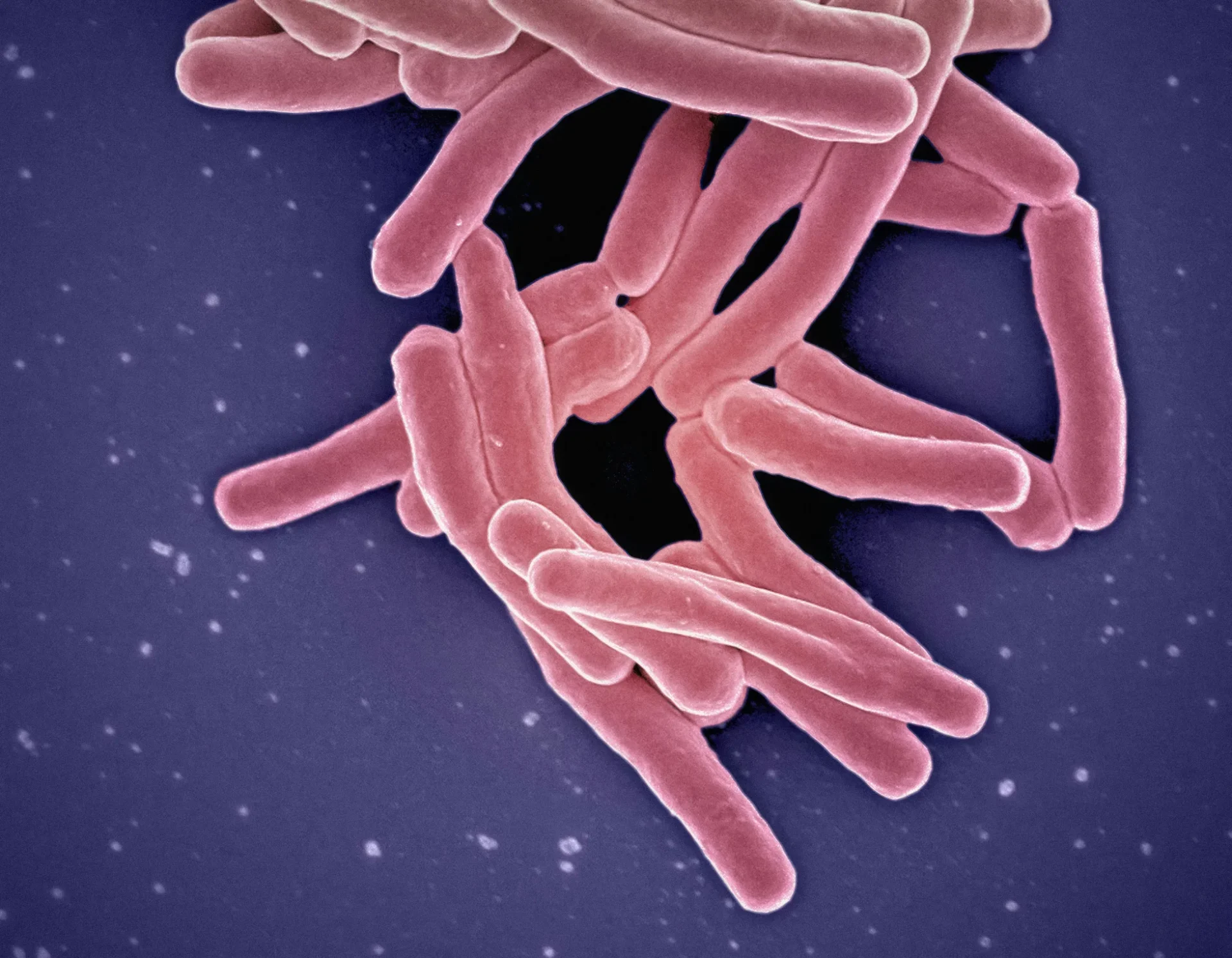
Tuberculosis

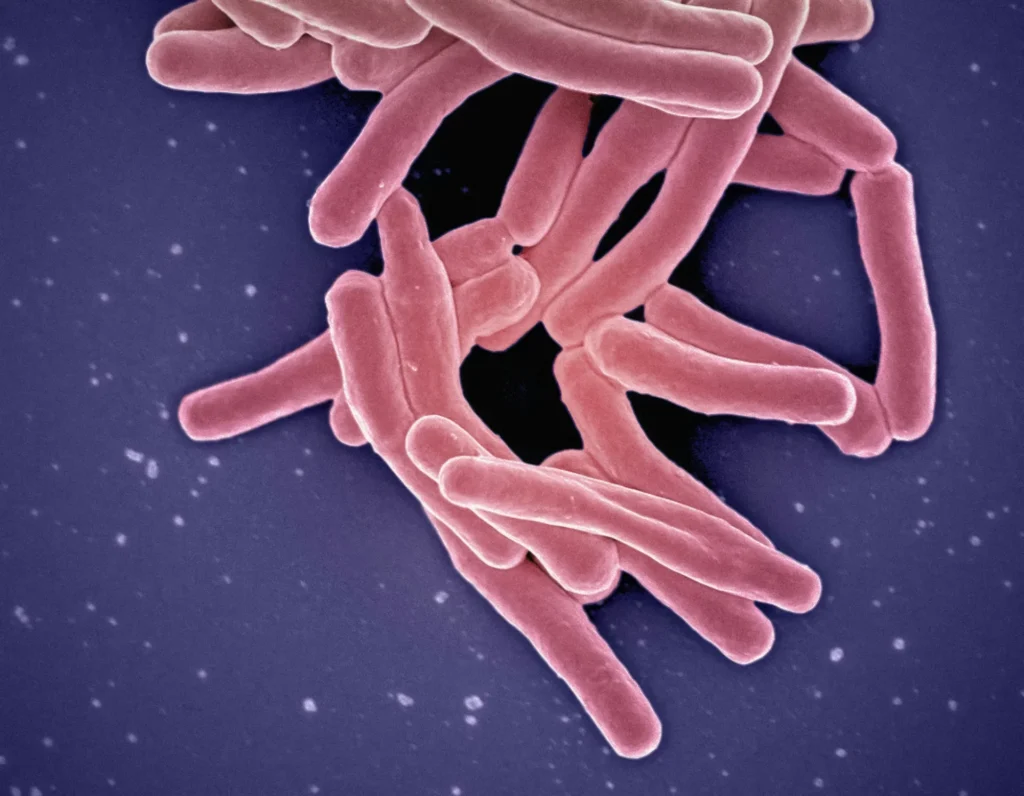
Tuberculosis (TB) is a serious bacterial infection primarily affecting the lungs, caused by Mycobacterium tuberculosis, which spreads through airborne droplets from coughs or sneezes of infected individuals. It exists in a latent form, where bacteria remain inactive without symptoms or transmission, or an active form, where symptoms develop, and it becomes contagious.​

Symptoms

Common signs of active pulmonary TB include a persistent cough lasting over 3 weeks (often with blood-tinged phlegm), chest pain, fatigue, unexplained weight loss, fever, chills, night sweats, and loss of appetite. Extrapulmonary TB, affecting areas like lymph nodes, kidneys, spine, or brain, may cause site-specific issues such as swollen glands, back pain, blood in urine, headaches, or confusion. Children might show poor growth or weight gain difficulties alongside general symptoms.​

Causes and Risk Factors

The infection occurs when inhaled bacteria reach the lungs and evade the immune system, potentially lying dormant before activating, especially in those with weakened immunity, like HIV patients, diabetics, or malnourished individuals. High-risk groups include close contacts of active cases, smokers, and those in crowded or poorly ventilated settings, which are common in India. Latent TB affects about a quarter of the global population, but progresses to disease in only 5-10% of cases.​

Prevention and Treatment

Prevention involves BCG vaccination for children, ventilation, masks in high-risk areas, and treating latent TB in vulnerable groups to avoid activation. Treatment for active TB requires a 6-month course of antibiotics like isoniazid, rifampicin, ethambutol, and pyrazinamide, with directly observed therapy (DOTS) ensuring adherence and reducing drug resistance. Early diagnosis via chest X-ray, sputum tests, or skin/blood tests improves outcomes, preventing spread and complications.

Pneumonia​

Pneumonia is an infection that inflames the air sacs in one or both lungs, often filling them with fluid or pus, leading to cough with phlegm, fever, chills, and breathing difficulties. It ranges from mild to life-threatening, posing greater risks to infants, older adults over 65, and those with weakened immune systems or chronic health issues.​

Common Symptoms

Key symptoms include persistent cough producing mucus, chest pain during breathing or coughing, shortness of breath, fatigue, high fever with chills, sweating, nausea, vomiting, diarrhea, and confusion, especially in seniors. Newborns may show restlessness, poor feeding, or rapid breathing without obvious signs.​

Causes and Risk Factors

Bacteria like Streptococcus pneumoniae are the most common cause, followed by viruses (e.g., flu, COVID-19), fungi, or aspiration of food/liquids. Risk increases with smoking, recent respiratory infections, hospital stays, weakened immunity, or chronic conditions like diabetes and heart disease.​

Treatment Options

Treatment typically involves antibiotics for bacterial cases, antivirals or antifungals for other types, oxygen therapy, pain relievers, and rest; severe cases may require hospitalization with IV fluids or ventilators. Early diagnosis via chest X-ray, blood tests, or sputum culture improves outcomes. Prevention includes pneumococcal vaccines, flu shots, hand hygiene, and quitting smoking.

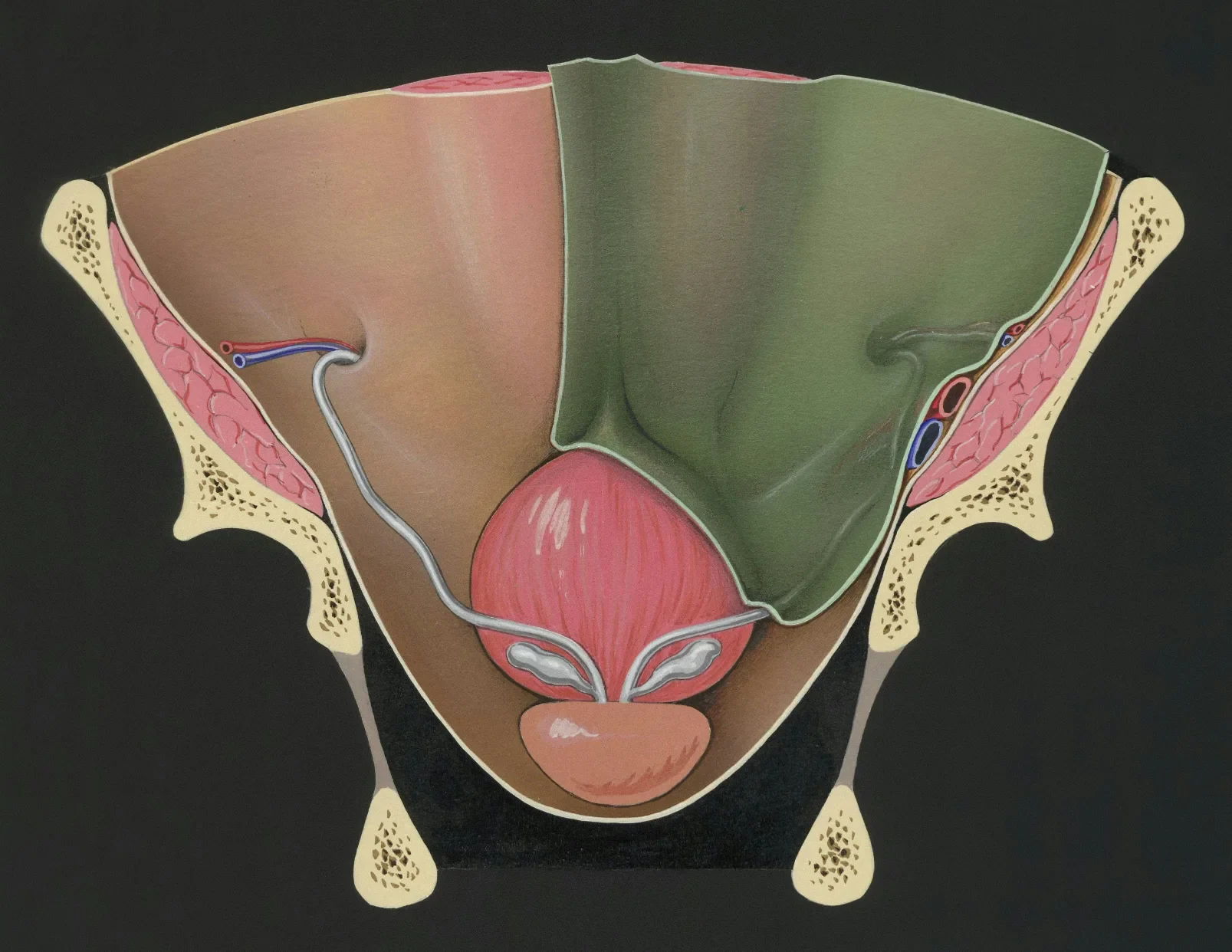
Diarrhoeal diseases

Diarrhoeal diseases involve frequent passage of loose or watery stools, often three or more times a day, leading to dehydration if untreated. They rank among the top causes of illness worldwide, especially in areas with poor sanitation, affecting millions annually through infections or digestive disruptions.​

Common Causes

  • Infections from viruses (like norovirus, rotavirus), bacteria (E. coli, Salmonella), or parasites, often via contaminated food or water.​
  • Food intolerances such as lactose intolerance, medications like antibiotics, or underlying conditions like IBS and IBD.​
  • Traveler’s diarrhea from unfamiliar bacteria or toxin-mediated issues like cholera.​

Key Symptoms

Patients experience abdominal cramps, bloating, nausea, fever, and urgency, with severe cases showing blood or mucus in stools and dehydration signs like dry mouth or dizziness. Acute episodes last 1-2 days, while chronic ones persist over four weeks.​

Treatments and Prevention

Rehydrate with oral rehydration solutions (ORS), clear fluids, and electrolyte-rich foods like bananas or rice; avoid dairy and caffeine. Antibiotics target bacterial causes, while addressing root issues like infections or intolerances resolves chronic cases—consult a gastroenterologist for persistent symptoms. Prevention by practicing hand hygiene, safe water use, and vaccination where available.

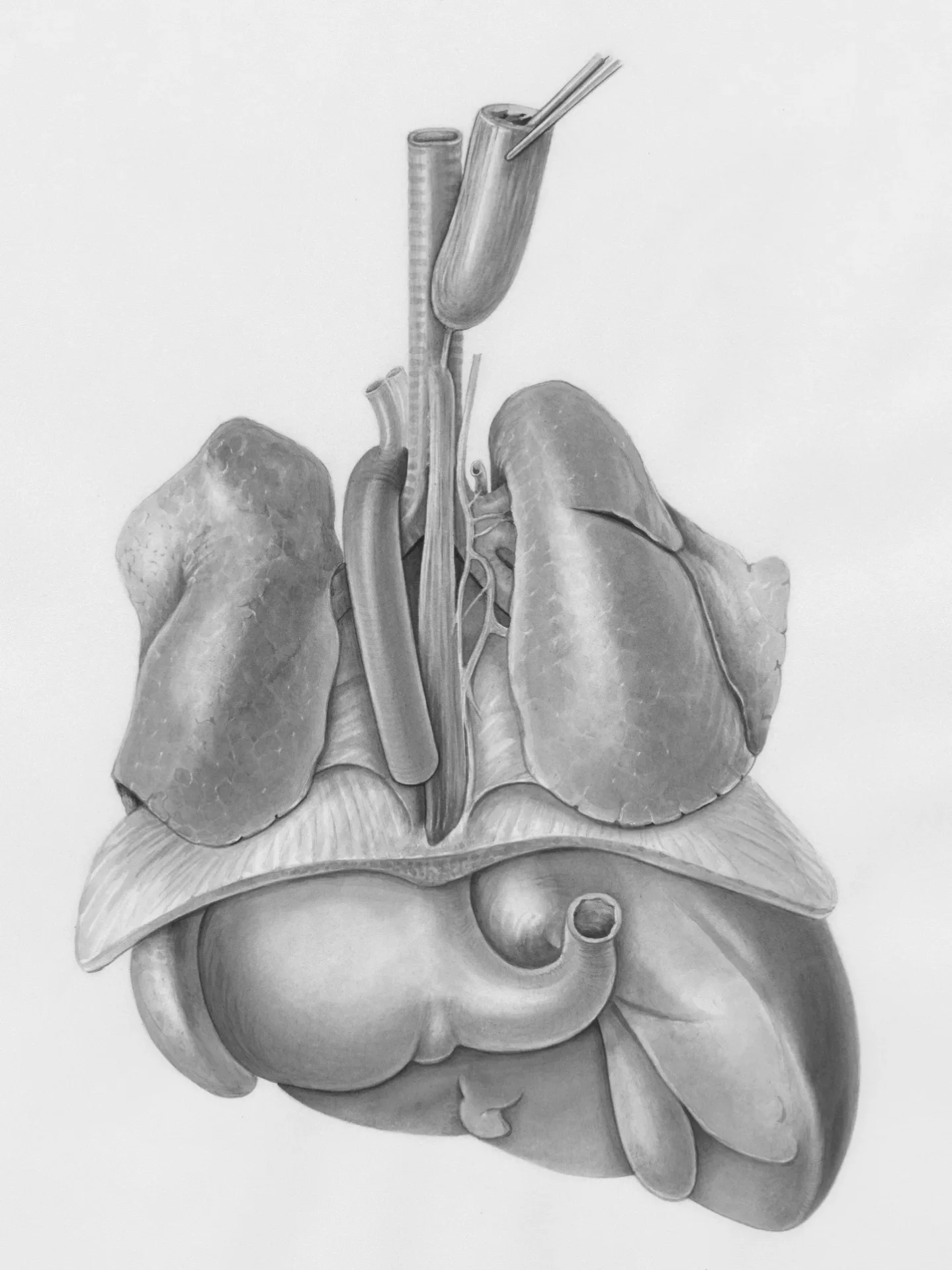
Urinary tract infection

A urinary tract infection (UTI) is a common infection that can affect any part of the urinary system, including the urethra, bladder, ureters, and kidneys. It is usually caused by bacteria, most commonly Escherichia coli (E. coli), entering the urinary tract through the urethra. Symptoms of a UTI include a strong and frequent urge to urinate, a burning sensation during urination, cloudy or strong-smelling urine, pelvic pain, and sometimes blood in the urine. In more severe cases, infection can spread to the kidneys, causing back pain, fever, chills, nausea, and vomiting.

UTIs are typically treated with a course of antibiotics prescribed by a healthcare provider. It is important to complete the entire antibiotic treatment even if symptoms improve quickly, to prevent the infection from returning and becoming harder to treat. Drinking plenty of fluids can help flush out the bacteria from the urinary system. If UTIs occur frequently, a doctor might recommend preventive measures including low-dose antibiotics or other therapies. Proper hygiene and lifestyle habits can help reduce the risk of UTIs.

Most people respond very well to treatment and experience significant relief within a few days. However, untreated UTIs can lead to serious complications, so it is important to seek medical advice promptly if symptoms appear.

Polycystic ovary syndrome

Polycystic Ovary Syndrome (PCOS) is a common hormonal disorder affecting women of reproductive age, characterized by irregular periods, excess androgen levels, and polycystic ovaries. It impacts hormone balance, leading to symptoms like infertility and metabolic issues, with up to 70% of cases undiagnosed worldwide.​

Symptoms

Common signs include irregular or absent menstrual cycles, excessive facial and body hair (hirsutism), acne, weight gain, and thinning hair on the scalp. Ovaries may develop multiple small cysts, and symptoms often worsen with obesity.​

Causes and Risk Factors

PCOS stems from insulin resistance, high androgen production, and genetic factors, disrupting ovulation and hormone levels like FSH and LH. It raises risks for type 2 diabetes, high blood pressure, and heart disease.​

Diagnosis

Healthcare providers diagnose PCOS based on at least two of: irregular periods, high androgens (via blood tests), or polycystic ovaries (via ultrasound), after ruling out other conditions.​

Treatment Options

Lifestyle changes like weight loss (even 5%) through diet and exercise improve symptoms and fertility; medications include birth control pills for cycle regulation, metformin for insulin resistance, and clomiphene for ovulation induction. No cure exists, but early management reduces long-term risks.

Thyroid problems

Thyroid problems occur when the thyroid gland, located in the neck, produces too much (hyperthyroidism) or too little (hypothyroidism) thyroid hormones, which regulate metabolism, energy, and growth. These disorders affect millions worldwide, with hypothyroidism being more common, often due to autoimmune conditions like Hashimoto’s disease.​

Symptoms

Hypothyroidism symptoms include fatigue, unexplained weight gain, constipation, dry skin, muscle weakness, slowed heart rate, depression, and cold intolerance. Hyperthyroidism causes weight loss, rapid heartbeat, anxiety, sweating, tremors, heat intolerance, and sleep issues. Women are more prone, especially post-pregnancy or during menopause.​

Causes

Common causes of hypothyroidism involve autoimmune attacks on the thyroid, iodine deficiency, surgery, radiation, or medications; hyperthyroidism often stems from Graves’ disease, thyroid nodules, or inflammation. Risk factors include family history, female gender, age over 60, and certain medications like amiodarone.​

Diagnosis and Treatment

Diagnosis uses blood tests for TSH, T4, and T3 levels, plus ultrasound or antibody tests if needed. Hypothyroidism treatment relies on daily levothyroxine hormone replacement; hyperthyroidism options include antithyroid drugs, radioactive iodine, or surgery. Regular monitoring prevents complications like heart issues or goiter.

sexual health problems​

Sexual health problems encompass a range of conditions that interfere with sexual desire, arousal, orgasm, or satisfaction, affecting both men and women. These issues can stem from physical factors like hormonal imbalances, diabetes, or hypertension; psychological causes such as stress and anxiety; or lifestyle elements including smoking and poor diet. Common symptoms include low libido, erectile dysfunction in men, vaginal dryness or pain during intercourse in women, premature or delayed ejaculation, and difficulty achieving orgasm.​

Common Types

  • Erectile Dysfunction (ED): Inability to achieve or maintain an erection, often linked to vascular issues or low testosterone.​
  • Low Sexual Desire (Hypoactive Sexual Desire Disorder): Reduced interest in sex, influenced by hormones, medications, or relationship stress.​
  • Premature Ejaculation: Ejaculation occurring sooner than desired, treatable with behavioral techniques or medications.​
  • Painful Intercourse (Dyspareunia): Discomfort during sex due to infections, dryness, or muscle tension like vaginismus.​
  • Orgasmic Disorders: Difficulty reaching orgasm, common in both genders and often tied to psychological factors.​

Causes and Risk Factors

Physical causes include chronic diseases like diabetes and heart conditions, while psychological triggers involve depression, performance anxiety, or past trauma. STIs such as chlamydia or herpes can also contribute to pain or discharge. Risk increases with age, obesity, alcohol use, or certain medications.​

Treatments and Management

Treatments address root causes: medications like PDE5 inhibitors for ED, hormone therapy for low testosterone, antibiotics for bacterial STIs, or counseling for psychological issues. Lifestyle changes—exercise, quitting smoking, and better communication with partners—improve outcomes. Consult a urologist, gynecologist, or sex therapist early for personalized care, as most cases are treatable with high success rates.

Sleep disorders

Sleep disorders are conditions that disrupt normal sleep patterns, affecting sleep quality, timing, or duration, and leading to daytime fatigue, impaired concentration, or mood issues.​

Common Types

  • Insomnia: Difficulty falling asleep, staying asleep, or waking too early, often linked to stress or medical conditions.​
  • Sleep Apnea: Repeated breathing pauses during sleep due to airway blockage, causing snoring and oxygen drops.​
  • Restless Legs Syndrome (RLS): Uncomfortable leg sensations with an urge to move, worsening at night.​
  • Narcolepsy: Sudden daytime sleep attacks or muscle weakness triggered by emotions.​
  • Circadian Rhythm Disorders: Misaligned sleep-wake cycles are common in shift workers.​

Symptoms and Causes

Daytime sleepiness, irritability, memory lapses, and headaches signal sleep disorders, which stem from lifestyle factors like poor habits, obesity, or underlying issues such as anxiety, heart disease, or medications. Diagnosis often involves sleep studies or tracking sleep logs.​

Treatments

Options include cognitive behavioral therapy for insomnia, CPAP machines for apnea, lifestyle changes like regular exercise, or medications under medical supervision. Early consultation prevents complications like hypertension or depression.

Substance use disorders

Substance use disorder (SUD) involves a problematic pattern of using alcohol, tobacco, drugs, or other substances despite causing harm to health, relationships, or daily functioning. It leads to intense cravings, tolerance (needing more for the same effect), and withdrawal symptoms like anxiety, tremors, or insomnia when stopping.​

Common Symptoms

  • Uncontrolled urges and failed attempts to cut down use​
  • Neglecting work, school, or social activities; secretive behavior.​
  • Physical signs like weight changes, poor hygiene, or risky actions while intoxicated.​

Treatment Options

Treatments include behavioral therapies (like cognitive behavioral therapy), medications to manage cravings/withdrawal, support groups such as AA/NA, and inpatient rehab for severe cases. Early intervention improves recovery rates through counseling and lifestyle changes.

Inflammatory bowel disease

Inflammatory bowel disease (IBD) is a long‑term condition in which parts of the digestive tract become swollen, red, and damaged due to ongoing inflammation. It mainly includes two diseases: ulcerative colitis, which affects the colon and rectum, and Crohn’s disease, which can affect any part of the digestive tract from mouth to anus, most commonly the small intestine and colon. This inflammation disturbs normal digestion and absorption, so people often experience flare‑ups (active disease) followed by periods of remission when symptoms lessen or disappear.​

Common symptoms of IBD include recurrent diarrhea (sometimes with blood or mucus), crampy abdominal pain, urgency to pass stool, bloating, fatigue, loss of appetite, and unintentional weight loss. Some people also develop fever, anemia, mouth ulcers, joint pain, skin rashes, or eye inflammation, showing that IBD can affect the whole body and not just the gut. Symptoms vary from mild to severe and can significantly impact daily life, work, and emotional well‑being.​

The exact cause of IBD is not fully understood, but experts believe it results from an abnormal immune response in genetically prone people, triggered by environmental factors such as gut bacteria, diet, or infections. Instead of only attacking germs, the immune system mistakenly attacks the lining of the intestine, causing chronic inflammation and tissue damage. A family history of IBD, smoking (especially in Crohn’s disease), certain medicines like NSAIDs, and living in urban or industrialized areas may increase risk.​

Diagnosis usually involves a combination of medical history, physical examination, blood tests (to look for anemia and inflammation), stool tests (to rule out infection), imaging (such as CT or MRI), and endoscopy or colonoscopy with biopsies. These tests help doctors see which parts of the intestine are affected, how severe the inflammation is, and whether it is more like Crohn’s disease or ulcerative colitis. Correct diagnosis is essential because treatment plans and long‑term monitoring differ between the two main types.​

There is no permanent cure for IBD yet, but many effective treatments can control inflammation, relieve symptoms, and maintain remission. Medicines include anti‑inflammatory drugs such as aminosalicylates, short‑term steroids for flares, immune‑suppressing drugs, and newer biologic and targeted therapies that block specific inflammation pathways. In some people, especially when complications like strictures, fistulas, or severe bleeding develop, surgery to remove the damaged part of the intestine may be needed, often combined with ongoing medical care.

Lifestyle measures also play an important role in managing IBD. A balanced, individualized diet (sometimes low‑residue or low‑FODMAP during flares), adequate fluids, avoiding smoking, reducing stress, regular exercise, and good sleep can help reduce symptom flare‑ups and improve quality of life. Because IBD increases the risk of colon cancer and some liver and blood‑clot problems, regular follow‑up with a gastroenterologist, scheduled colonoscopies, and vaccination updates are strongly recommended.

Autoimmune diseases 

Autoimmune diseases are conditions in which the body’s immune system, which normally defends against infections, starts attacking its own healthy cells and tissues by mistake. These disorders can target one specific organ (such as the thyroid, pancreas, skin, or joints) or affect multiple systems throughout the body, leading to chronic inflammation, pain, and long‑term damage if not treated. Common autoimmune diseases include rheumatoid arthritis, lupus, psoriasis, inflammatory bowel disease, type 1 diabetes, autoimmune thyroid diseases (like Hashimoto’s or Graves’ disease), multiple sclerosis, and Sjögren’s syndrome.​

The exact cause is not fully understood, but autoimmune diseases are thought to develop from a mix of genetic susceptibility, environmental triggers (such as infections, smoking, certain medications, or chemicals), and hormonal factors, which is why many of these conditions are more common in women. Typical symptoms are often vague at first and may include fatigue, low‑grade fever, muscle or joint pain, skin rashes, digestive problems, numbness or tingling, hair loss, and difficulty concentrating; some diseases also cause organ‑specific signs like high blood sugar in type 1 diabetes or overactive/underactive thyroid symptoms. Because different autoimmune diseases can look similar and can overlap, diagnosis usually involves a combination of medical history, physical examination, blood tests for autoantibodies, imaging, and sometimes biopsy of affected tissue.​

There is currently no permanent cure for most autoimmune diseases, but many people live well with the right treatment and follow‑up. Management focuses on controlling the overactive immune response, reducing inflammation, and protecting organs using medicines such as nonsteroidal anti‑inflammatory drugs (NSAIDs), corticosteroids, disease‑modifying antirheumatic drugs (DMARDs), biologic agents that target specific immune pathways, and, when needed, hormone or vitamin replacement (for example, insulin for type 1 diabetes or thyroid hormone in autoimmune thyroid disease). Lifestyle measures such as good sleep, stress management, regular gentle exercise, a balanced diet, and quitting smoking can support the immune system and reduce flare‑ups. Early diagnosis and regular monitoring by specialists (like rheumatologists, endocrinologists, gastroenterologists, or neurologists) are essential to prevent complications, maintain quality of life, and plan long‑term care.

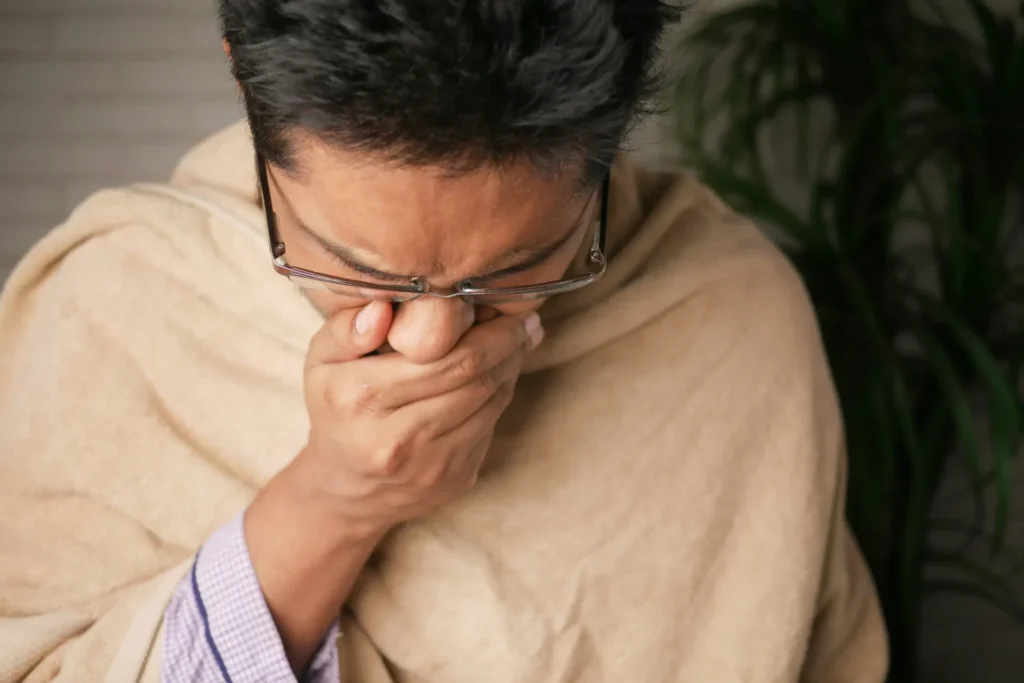
Influenza

Influenza, commonly called “the flu”, is a contagious viral infection that mainly affects the nose, throat, and lungs, causing sudden high fever, cough, body aches, and extreme tiredness. It spreads easily when an infected person coughs, sneezes, talks, or touches surfaces, which is why outbreaks are more common in crowded places and during seasonal changes.

Typical symptoms include fever with chills, dry cough, sore throat, blocked or runny nose, headache, muscle and joint pain, and profound fatigue; some people, especially children, may also have vomiting or diarrhoea. Most healthy adults recover in about a week, but they can feel weak and tired for longer, and they may still spread the virus to others for several days after symptoms start.

Influenza can be dangerous for high‑risk groups such as older adults, pregnant women, young children, and people with chronic diseases like diabetes, heart disease, lung disease, or weak immunity. In these individuals, flu can lead to serious complications including pneumonia, worsening of existing heart or lung problems, dehydration, or even life‑threatening respiratory failure.

Diagnosis is usually made clinically based on symptoms and season, but doctors may use throat or nasal swab tests to confirm the virus, especially in high‑risk or hospitalised patients. Treatment focuses on rest, plenty of fluids, and medicines like paracetamol or ibuprofen to control fever and body pain; in some cases, doctors prescribe antiviral drugs that can shorten the illness and reduce complications if started within the first 48 hours.

Prevention is very important and includes yearly flu vaccination, which is especially recommended for high‑risk groups and healthcare workers, along with good hygiene measures such as frequent handwashing, covering mouth and nose while coughing or sneezing, wearing a mask when unwell, cleaning frequently touched surfaces, and staying home when sick to avoid spreading infection to others.

Chickenpox

Chickenpox is a highly contagious viral infection that causes an itchy, blister‑like rash along with fever and tiredness. It is caused by the varicella‑zoster virus and spreads easily through coughs, sneezes, talking at close range, or direct contact with the fluid from the blisters. Most cases occur in children, but unvaccinated adults and people with weak immunity can also get severe illness.

The illness usually starts with mild symptoms like fever, headache, loss of appetite and fatigue for 1–2 days, followed by the appearance of red spots on the face, chest and back that quickly spread to the rest of the body. These spots turn into small fluid‑filled blisters, then dry and form scabs over about a week; new crops can appear for several days, so patients may have red spots, blisters and scabs at the same time. Intense itching is common, and scratching can lead to bacterial skin infection and permanent scars, so nails should be kept short and the skin kept clean.

For most healthy children, chickenpox is mild and gets better on its own with home care such as rest, plenty of fluids, paracetamol for fever (not aspirin in children), soothing lotions like calamine, and antihistamines if prescribed for itching. However, in adults, pregnant women, newborns, and people with weak immune systems, it can cause serious complications like pneumonia, skin infections, dehydration, or inflammation of the brain (encephalitis), and these patients may need antiviral medicines and hospital care. Medical help should be sought urgently if there is difficulty breathing, very high or persistent fever, confusion, severe headache, stiff neck, repeated vomiting, or if the rash looks very red, painful, or pus‑filled.

Chickenpox is most contagious from 1–2 days before the rash appears until all blisters have crusted over, so the infected person should stay at home and avoid school, office or public places during this period to protect others. Good hygiene, frequent hand‑washing, not sharing towels, clothes, or utensils, and covering the mouth and nose while coughing or sneezing help reduce spread. A safe and effective vaccine is available and is the best way to prevent chickenpox and its complications; children and uninfected adults, especially healthcare workers, teachers, and women planning pregnancy, are usually advised to take the full vaccine schedule after consulting a doctor.

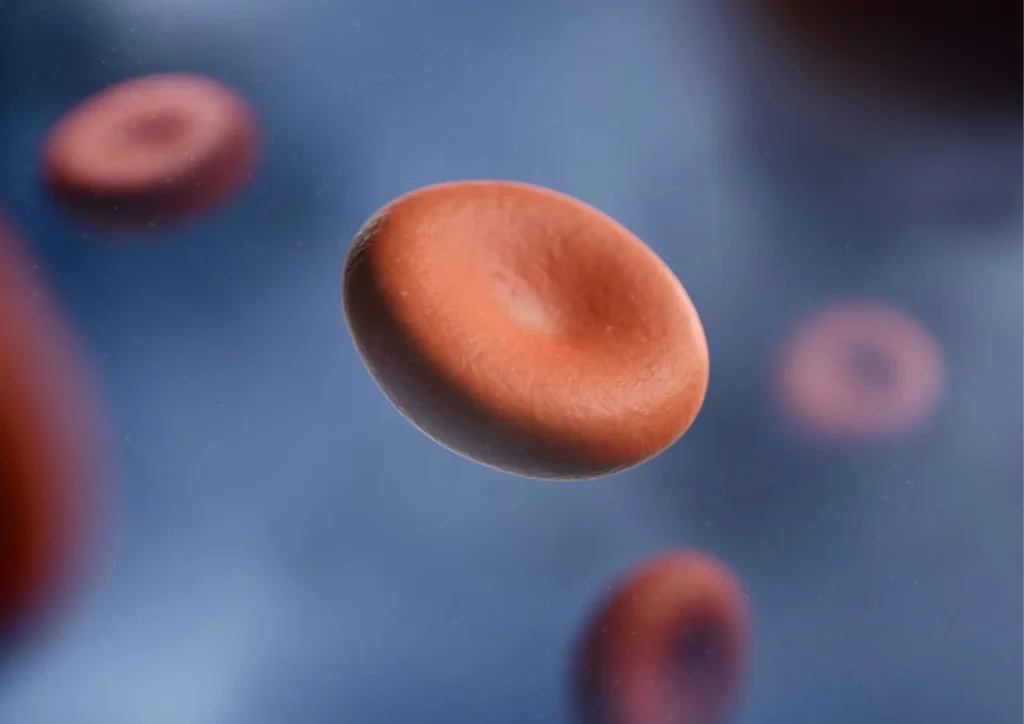
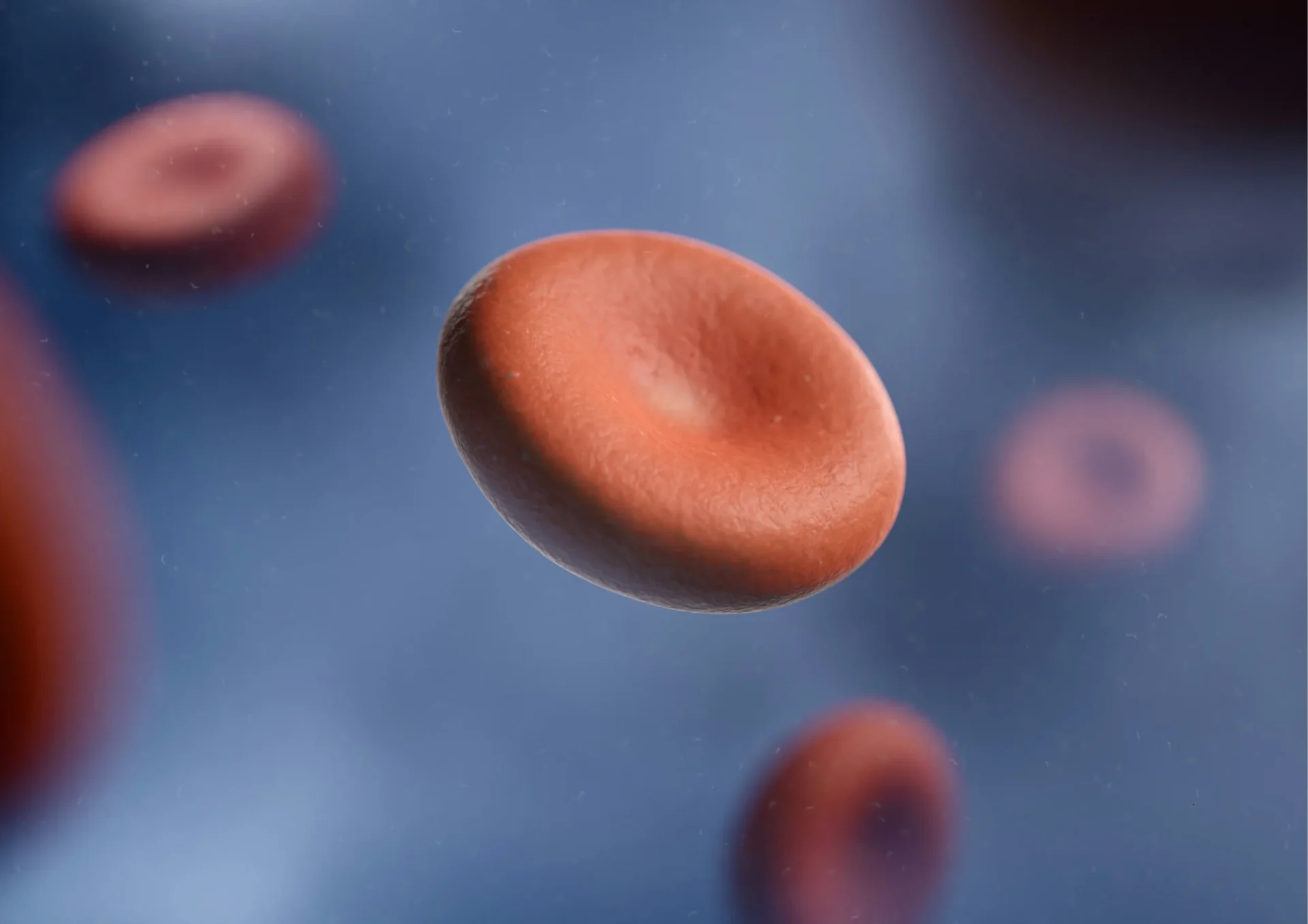
Anemia

Anemia is a condition where the body lacks enough healthy red blood cells or hemoglobin to carry adequate oxygen to tissues, leading to fatigue and weakness, especially common in women due to menstruation, pregnancy, and dietary factors.​

Symptoms in Women

Women often experience tiredness, pale skin, shortness of breath, dizziness, cold hands/feet, and irregular heartbeats. Heavy periods exacerbate blood loss, worsening symptoms like headaches and reduced energy for daily tasks.​

Causes Specific to Women

Iron deficiency from heavy menstrual bleeding, pregnancy demands, or poor diet tops the list; other triggers include folate/B12 shortages, inflammation, or chronic issues like PCOS. Postpartum blood loss heightens risks in Indian contexts with nutritional gaps.​

Treatment Options for SCIM

Start with iron supplements, vitamin-rich diets (spinach, lentils), and blood tests like CBC/ferritin. Severe cases need infusions or transfusions; manage underlying causes via hormonal therapy for periods. Lifestyle tweaks like yoga boost recovery.

Migraines

Migraines are severe, recurring headaches often affecting one side of the head, lasting 4-72 hours, and accompanied by throbbing pain, nausea, vomiting, and heightened sensitivity to light, sound, or smell. Women experience them three times more frequently than men due to hormonal fluctuations during menstrual cycles, pregnancy, or menopause.​

Common Symptoms

  • Intense pulsating pain, typically unilateral but can shift sides.
  • Aura, in some cases, may include visual disturbances like flashing lights or zigzag lines.
  • Additional issues: dizziness, blurred vision, neck stiffness, and fatigue post-attack.​

Causes and Triggers

Genetics and brain chemical imbalances, like serotonin and CGRP, play key roles. Triggers include stress, sleep changes, skipped meals, hormonal shifts, bright lights, strong odors, alcohol (especially red wine), caffeine excess, and weather shifts.​

Treatments at SCIM

Acute relief uses over-the-counter NSAIDs like ibuprofen or prescription triptans; preventive options include beta-blockers, anticonvulsants, or CGRP inhibitors. Lifestyle measures: trigger avoidance, regular sleep, hydration, and stress management via yoga. Book consultations for personalized plans, including neuromodulation devices.

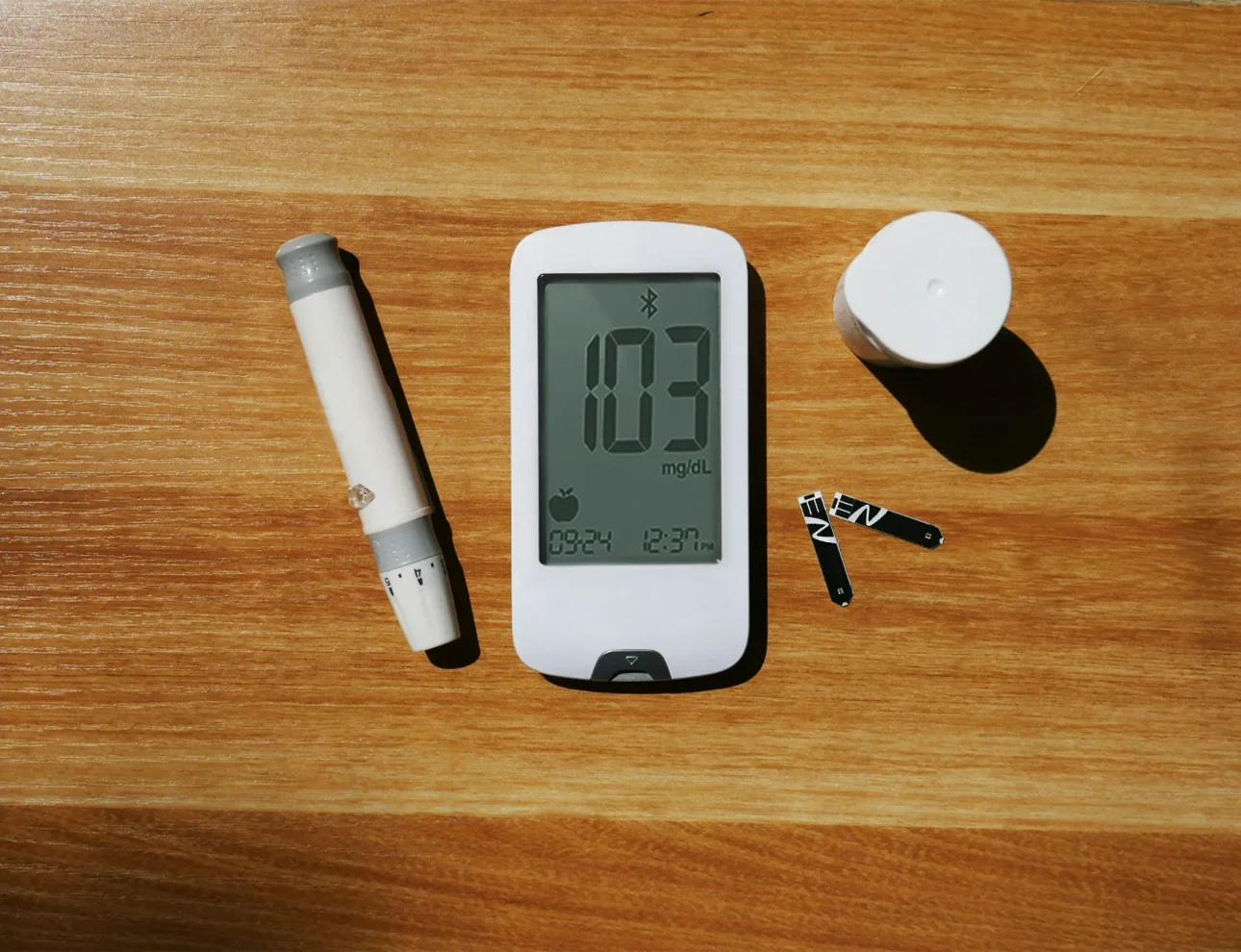
Hypothyroidism

Hypothyroidism, or underactive thyroid, occurs when the thyroid gland fails to produce enough thyroid hormones, slowing metabolism and affecting energy levels.​

Symptoms

Common signs include fatigue, unexplained weight gain, sensitivity to cold, dry skin, hair loss, constipation, muscle weakness, depression, and irregular menstrual cycles in women. Infants may show poor growth, jaundice, and feeding issues; untreated cases can lead to developmental delays.​

Causes

The primary cause is Hashimoto’s thyroiditis, an autoimmune disorder where the immune system attacks the thyroid. Other factors include thyroid surgery, radiation therapy, certain medications like lithium, iodine deficiency, pituitary disorders, or congenital issues.​

Treatment

Standard treatment involves daily oral levothyroxine (Synthroid) to replace missing hormones, taken on an empty stomach. Regular blood tests monitor TSH levels for dosage adjustments; symptoms often improve within weeks, but therapy is lifelong.

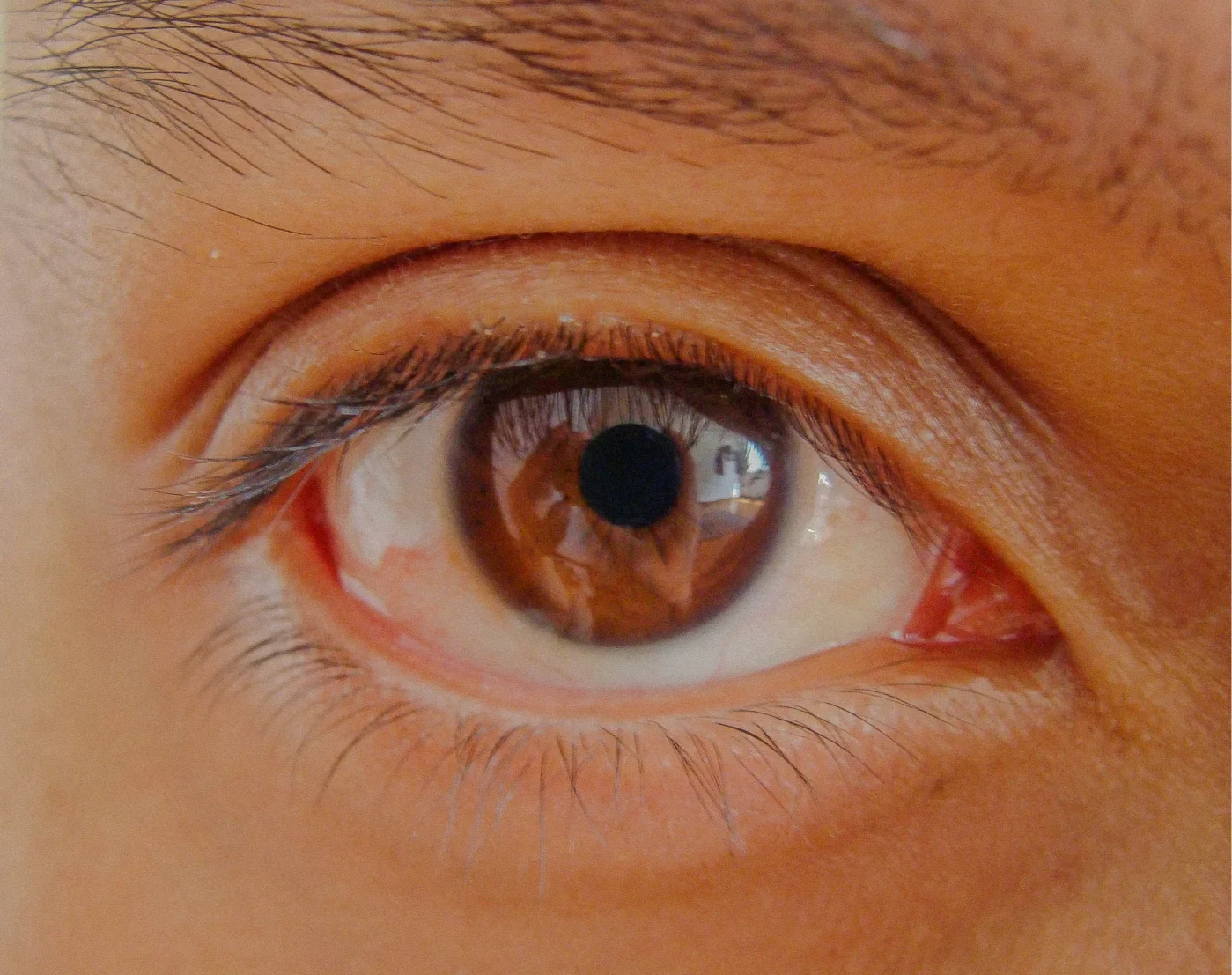
Gestational Diabetes

Gestational diabetes is a type of diabetes that first appears during pregnancy, when blood sugar levels become higher than normal due to hormonal changes. It usually develops in the second half of pregnancy and often goes away after the baby is born, but it needs proper treatment during pregnancy to keep mother and baby safe.​

Gestational diabetes is a condition in which a woman without previous diabetes develops high blood sugar levels during pregnancy. It happens because pregnancy hormones make it harder for the body to use insulin properly, leading to increased blood sugar. If not controlled, it can cause problems like a big baby, high blood pressure, and complications during delivery, but with a healthy diet, regular exercise, blood sugar monitoring, and sometimes medicines like insulin, most women have a safe pregnancy and a healthy baby.

Dry Eye Syndrome

Dry Eye Syndrome occurs when eyes fail to produce enough tears or when tears evaporate too quickly, leading to discomfort and potential surface damage. It affects women more due to hormonal changes during menopause, pregnancy, or from conditions like thyroid issues.​

Symptoms

Common signs include stinging, burning, redness, blurred vision, sensitivity to light, and a gritty sensation. Symptoms often worsen with screen time, dry air, or wind exposure.​

Causes and Risk Factors

Key triggers involve meibomian gland dysfunction, aging, medications like antihistamines or birth control, allergies, contact lenses, and autoimmune diseases such as Sjögren’s syndrome. Environmental factors and prolonged digital device use accelerate tear evaporation.​

Treatments

Start with artificial tears, warm compresses, and lid hygiene; advance to prescription drops like cyclosporine (Restasis) or lifitegrast (Xiidra) for inflammation. Options include punctal plugs, intense pulsed light therapy, or omega-3 supplements.

Prostate cancer​

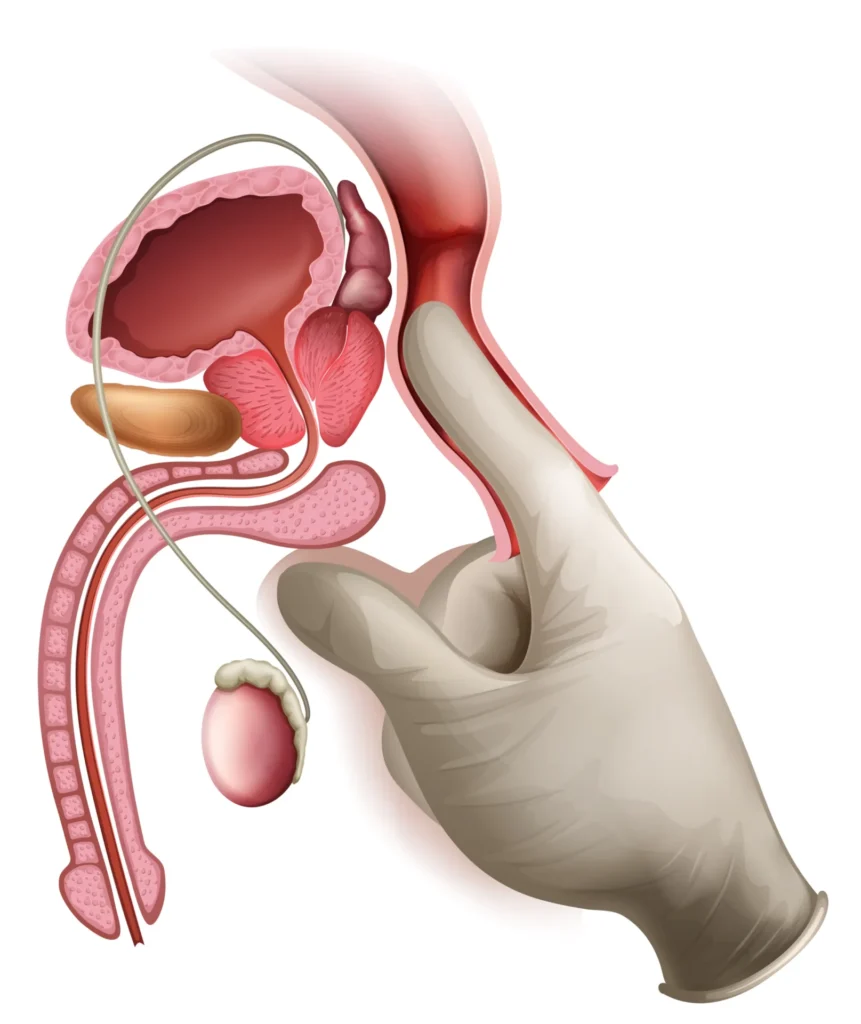
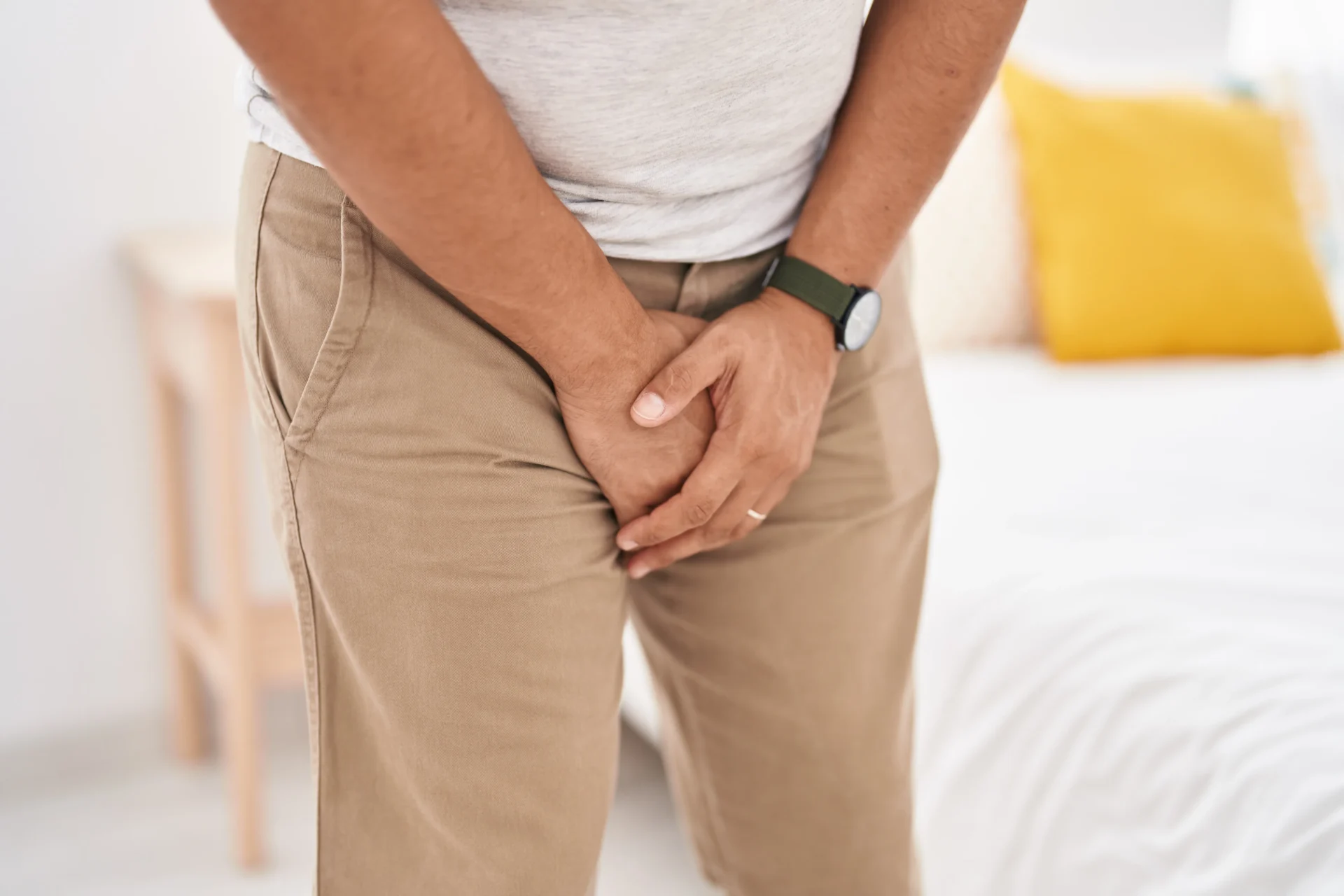
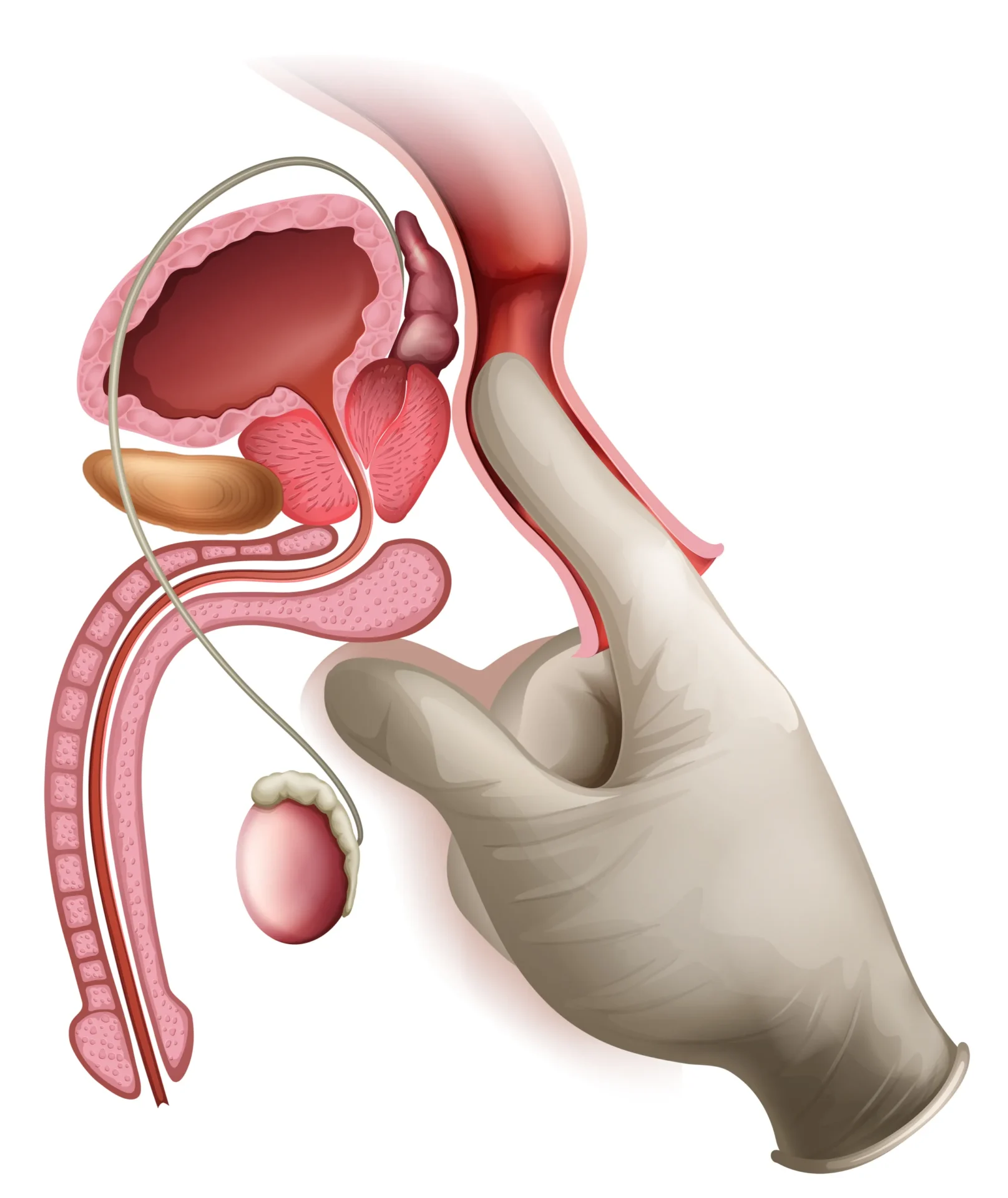
Prostate cancer develops in the prostate gland, a walnut-sized organ in men that produces seminal fluid, and is one of the most common cancers among older men, often growing slowly but potentially spreading if untreated. It typically affects men over 50, with risk factors including age, family history, race (higher in African descent), and lifestyle factors like obesity or a diet high in red meat. Early detection through PSA blood tests and digital rectal exams improves outcomes significantly.​

Symptoms

In early stages, prostate cancer often shows no symptoms, making regular screening crucial. Advanced symptoms include frequent urination (especially at night), weak or interrupted urine flow, blood in urine or semen, erectile dysfunction, bone pain, unexplained weight loss, and fatigue. If the cancer metastasizes to bones or lymph nodes, it may cause severe pain, weakness, or swelling in the legs.​

Causes and Risk Factors

The exact cause involves DNA mutations in prostate cells leading to uncontrolled growth, influenced by hormones like testosterone. Key risks encompass advancing age (most cases over 65), genetic inheritance (BRCA mutations), African ancestry, smoking, and a poor diet lacking fruits or vegetables.​

Diagnosis and Treatment

Diagnosis uses PSA tests, biopsies, MRI, or CT scans to stage the cancer. Treatments vary by stage: active surveillance for low-risk cases; surgery (prostatectomy) or radiation for localized cancer; hormone therapy (androgen deprivation), chemotherapy (docetaxel), or targeted drugs like enzalutamide for advanced or metastatic disease. Side effects may include urinary issues, erectile dysfunction, or fatigue, managed with supportive care.

Testicular cancer

Testicular cancer is a disease in which cancer cells develop in the tissues of one or both testicles, usually presenting as a lump or swelling in a testicle. It most commonly affects men between the ages of 15 and 45. Symptoms may include a painless lump or swelling in the testicle, a feeling of heaviness in the scrotum, dull ache in the lower belly or groin, sudden scrotal swelling, pain or discomfort, enlargement or tenderness of breast tissue, and sometimes back pain. Usually, it affects only one testicle.

Testicular cancer can grow quickly and spread to other parts of the body, but it is highly treatable, especially when detected early. Treatment often involves surgical removal of the affected testicle (orchiectomy). Depending on the cancer type and stage, chemotherapy, radiation therapy, and sometimes removal of lymph nodes may be necessary. Prognosis is generally good, with high survival rates following appropriate treatment.

Risk factors include undescended testicles, abnormal testicle development, family history of testicular cancer, and being of White ethnicity. Early diagnosis and treatment are crucial for the best outcomes.

This description covers the essential information about testicular cancer including signs, symptoms, causes, and available treatments in clear and proper English. If more detailed or simplified content is needed, it can also be provided for specific uses like health websites or patient education.

Penile cancer 

It arises when healthy cells grow uncontrollably, with about half of cases linked to high-risk human papillomavirus (HPV) strains spread through skin-to-skin genital contact. Other risks include smoking, poor hygiene leading to smegma buildup under the foreskin (especially in uncircumcised men), phimosis (tight foreskin), weakened immunity from HIV, and age over 50.​

Symptoms

Early signs include skin changes like thickening, discoloration, a reddish rash, crusty bumps, or a non-healing sore that may bleed or produce foul-smelling discharge. Later symptoms involve lumps, swollen groin lymph nodes, or difficulty retracting the foreskin.​

Diagnosis and Treatment

Doctors diagnose via physical exam, biopsy, and imaging to check the spread; early detection improves cure rates. Treatments range from creams, cryotherapy, laser, or circumcision for early stages to surgery (partial/total penectomy), radiation, or chemotherapy for advanced cases.​

Prevention

HPV vaccination, circumcision, good hygiene, quitting smoking, and prompt treatment of foreskin issues reduce risk.

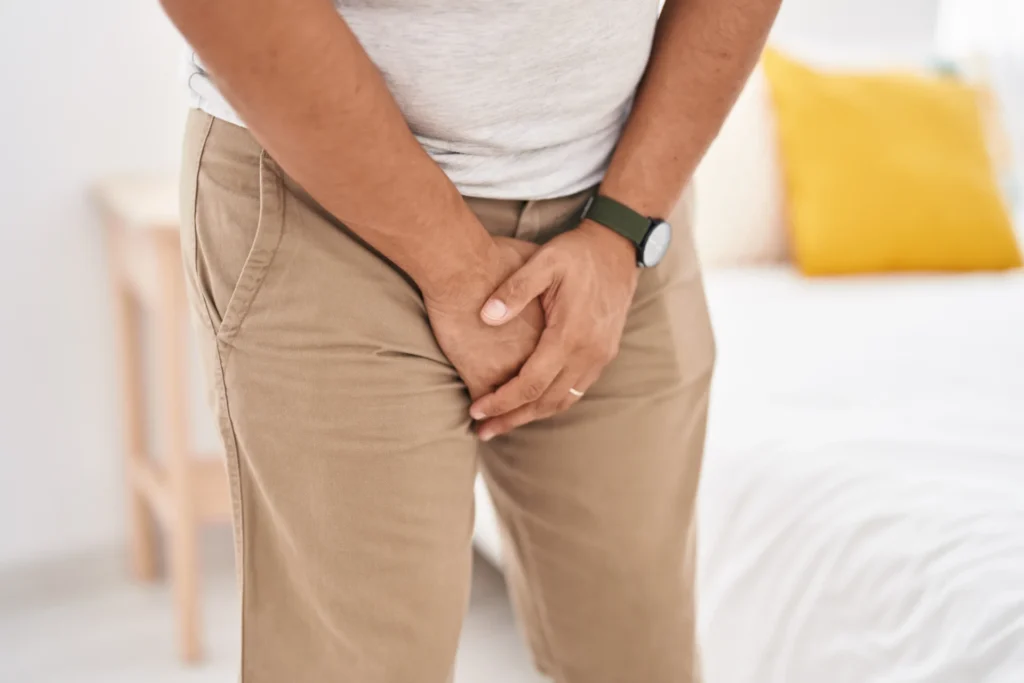
Prostatitis

Prostatitis is inflammation or infection of the prostate gland, a walnut-sized organ in men below the bladder that produces fluid for semen.​

Symptoms

Common signs include pain in the abdomen, genitals, lower back, or perineum; urinary issues like frequent or painful urination, weak stream, or urgency; painful ejaculation; and in acute cases, fever or chills.​

Causes

It has four main types: acute bacterial (from urinary tract bacteria entering the prostate); chronic bacterial (recurrent infections); chronic prostatitis/chronic pelvic pain syndrome (non-bacterial, possibly from nerve damage, stress, or immune issues); and asymptomatic inflammatory (no symptoms, found during other tests).​

Treatment

Bacterial types require antibiotics (often 2-4 weeks or longer for chronic); non-bacterial cases use alpha-blockers for urinary relief, pain relievers like NSAIDs, muscle relaxants, warm sitz baths, or physical therapy. Most men improve with tailored care, though chronic forms may need ongoing management.

Erectile Dysfunction

Erectile dysfunction (ED) is the consistent inability to achieve or maintain an erection firm enough for satisfactory sexual intercourse.​

Symptoms

Men with ED often experience trouble getting an erection during sexual activity, erections that are not firm enough for penetration, or erections that do not last long enough. Additional signs include reduced sexual desire or erections that only occur during sleep or masturbation.​

Causes

Physical factors account for most cases, including heart disease, high blood pressure, diabetes, obesity, high cholesterol, smoking, low testosterone, nerve damage from injuries or surgery, and certain medications like antidepressants or blood pressure drugs. Psychological issues such as stress, anxiety, depression, or relationship problems can also contribute, often alongside physical causes.​

Treatment Options

Common treatments include oral medications like PDE-5 inhibitors (e.g., sildenafil or tadalafil) that improve blood flow to the penis, lifestyle changes such as quitting smoking, exercising, and weight loss, vacuum erection devices, penile injections, or counseling for psychological factors. In severe cases, penile implants or surgery may be options, with doctors tailoring plans based on underlying causes.

Low Testosterone 

Low testosterone, also known as male hypogonadism or low T, occurs when the testicles produce insufficient amounts of this key hormone, which regulates sex drive, muscle mass, bone density, and energy levels.​

Symptoms

Common signs include reduced sex drive, erectile dysfunction, fatigue, irritability, depression, loss of muscle mass, increased body fat (especially around the abdomen), reduced body hair, and smaller testicle size. These symptoms often develop gradually and can mimic aging or other conditions like thyroid issues or depression.​

Causes

It stems from primary hypogonadism (testicle problems like injury, mumps orchitis, Klinefelter syndrome, chemotherapy, or radiation) or secondary hypogonadism (pituitary/hypothalamus issues from tumors, obesity, diabetes, medications like opioids, or natural aging). Levels naturally decline by 1-2% per year after age 30, but significant drops warrant investigation.​

Diagnosis and Treatment

Doctors diagnose via morning blood tests for total/free testosterone (below 300 ng/dL often indicates low T), plus LH/FSH levels, and rule out other causes with physical exams or imaging. Treatment primarily involves testosterone replacement therapy (TRT) via gels, injections, patches, pellets, or pills to restore levels, improve symptoms, and boost energy/mood; lifestyle changes like weight loss, exercise, better sleep, and quitting smoking/alcohol also help.

Breast Cancer

Breast cancer is a disease in which abnormal cells in the breast grow uncontrollably, forming tumors that can invade surrounding tissues or spread to other parts of the body. It is one of the most common cancers affecting women worldwide but can also occur in men. Early signs often include a lump in the breast, changes to the breast or nipple appearance, or breast pain, though many cases may not show symptoms initially.
Treatment of breast cancer depends on the type and stage of the disease, and may include surgery to remove tumors, radiation therapy to kill remaining cancer cells, chemotherapy to target rapidly dividing cells, hormone therapy to block cancer growth stimulated by hormones, and targeted biological therapies for specific cancer subtypes. Early diagnosis and complete treatment significantly improve outcomes, with therapies tailored to the characteristics of the cancer such as hormone receptor status and HER2 protein expression.

Managing side effects and supportive care are key parts of treatment, as patients may experience fatigue, nausea, or menopausal symptoms depending on the therapies used. Regular breast self-exams, timely medical consultation for any changes, and lifestyle measures like maintaining a healthy weight can help in prevention and early detection of breast cancer. This comprehensive approach aims to maximize treatment effectiveness and patient quality of life.

Menstrual disorders

Menstrual disorders refer to irregularities in the menstrual cycle, including absent, heavy, painful, or irregular periods that disrupt daily life. Common types include amenorrhea (no periods), dysmenorrhea (painful cramps), menorrhagia (heavy bleeding), and oligomenorrhea (infrequent periods).​
Symptoms

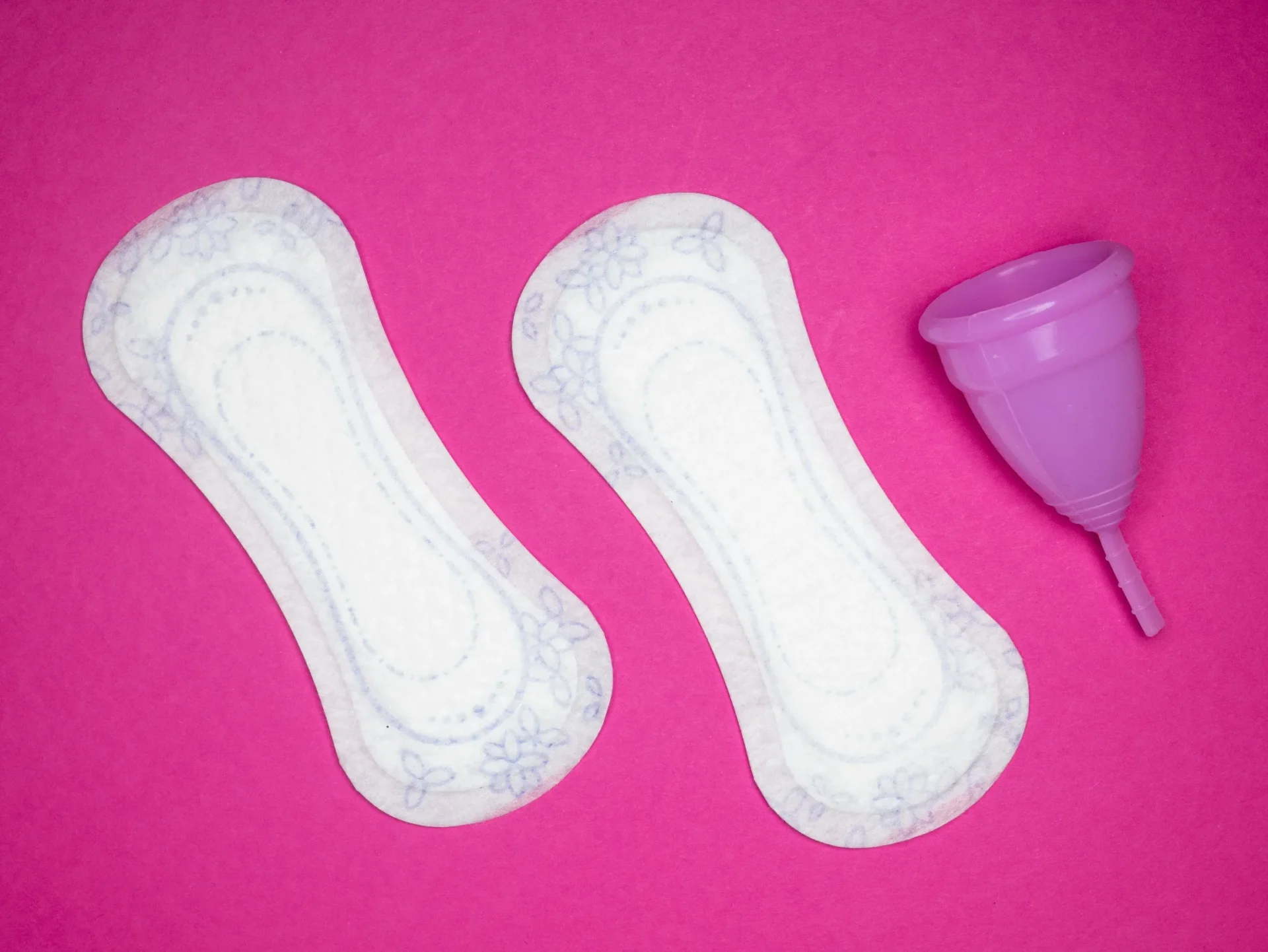
Women may experience severe abdominal cramps, prolonged or excessive bleeding soaking through pads frequently, irregular cycle lengths over 35 days, spotting between periods, bloating, fatigue, mood changes, or pelvic pain.​

Causes

Hormonal imbalances from conditions like PCOS, thyroid issues, or stress often trigger disorders, alongside uterine fibroids, endometriosis, excessive prostaglandins causing contractions, medications, or lifestyle factors such as extreme weight changes.​

Treatments

Management starts with NSAIDs for pain, hormonal birth control to regulate cycles, or iron supplements for heavy bleeding; advanced options include IUDs, endometrial ablation, or surgery for fibroids/endometriosis, with lifestyle changes like exercise and diet aiding prevention.

Cervical cancer

Cervical cancer forms in the cells of the cervix, the lower part of the uterus connecting to the vagina, and is primarily caused by persistent infection with high-risk human papillomavirus (HPV). It often develops slowly over years without early symptoms, making regular screenings like Pap smears or HPV tests crucial for early detection and prevention. In India, it ranks among the most common cancers in women, but vaccination against HPV and timely treatment significantly improve outcomes.​

Common Symptoms

Early stages may show no signs, but as it advances, symptoms include abnormal vaginal bleeding between periods, after menopause, or post-intercourse; watery or foul-smelling discharge; pelvic pain; and pain during sex. Advanced cases can cause leg swelling, back pain, weight loss, fatigue, and urinary or bowel issues due to spread. Consult a doctor promptly for any persistent changes, as these can mimic other conditions.​

Causes and Risk Factors

The main cause is long-term HPV infection, spread through sexual contact, with types 16 and 18 responsible for most cases. Risks increase with multiple sexual partners, early sexual activity, weakened immunity (e.g., HIV), smoking, long-term oral contraceptive use, and multiple full-term pregnancies.​

Diagnosis and Prevention

Diagnosis involves Pap/HPV tests, colposcopy, biopsy, and imaging like CT/MRI for staging. Prevention focuses on HPV vaccination (ideally before sexual activity), safe sex practices, and routine screenings starting at age 21 or 30.​

Treatment Options

Early-stage treatment often uses surgery like cone biopsy, hysterectomy, or trachelectomy to remove affected tissue. Advanced stages combine radiation therapy, chemotherapy (e.g., cisplatin), targeted therapy, or immunotherapy like pembrolizumab. Success rates are high (over 90%) if caught early; personalized plans consider stage, age, and fertility desires.

PCOS

Polycystic Ovary Syndrome (PCOS) is a common hormonal disorder affecting women of reproductive age, characterized by irregular periods, excess androgen levels, and polycystic ovaries visible on ultrasound. It impacts 5-10% of women globally, leading to symptoms like weight gain, acne, hirsutism (unwanted hair growth), and infertility due to disrupted ovulation.​

Causes and Risk Factors

PCOS arises from insulin resistance, genetic factors, and hormonal imbalances, in which the ovaries produce too much male hormone (testosterone), preventing regular egg release. Family history, obesity, and inflammation exacerbate risks, often starting in puberty.​

Symptoms Breakdown

  • Irregular or absent menstrual cycles
  • Excess hair on face/body, thinning scalp hair
  • Acne, oily skin, and weight struggles around the abdomen
  • Fertility challenges and metabolic issues like type 2 diabetes risk​

Treatment Options at SCIM

Lifestyle changes like weight loss (even 5-10%), a balanced diet, and exercise improve 50-70% of cases. Medications include birth control pills for cycle regulation, metformin for insulin sensitivity, anti-androgens for hair/acne, and clomiphene/letrozole for fertility—advanced options: IVF or laparoscopic ovarian drilling.

Postpartum Hemorrhage Risks

Postpartum hemorrhage (PPH) is excessive bleeding after childbirth, typically defined as more than 500 mL loss in vaginal delivery or 1,000 mL in cesarean, occurring within 24 hours or up to 12 weeks postpartum. It affects 1-5% of deliveries and is a leading cause of maternal mortality if untreated, often due to uterine atony, where the uterus fails to contract properly.​
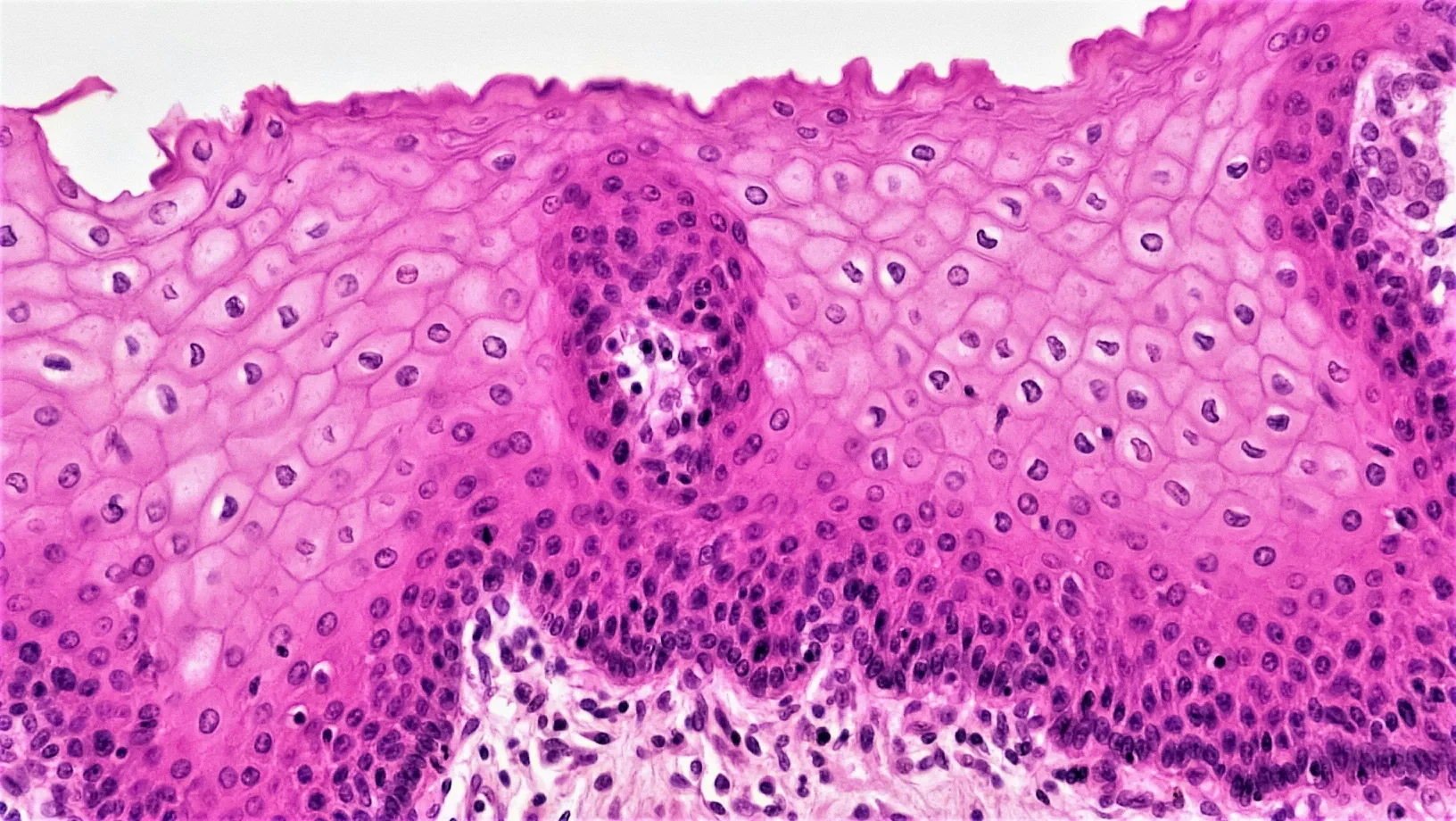
Key Causes (The 4 Ts)

  • Tone (Uterine Atony): Most common (70-80% of cases); the uterus doesn’t firm up after placenta delivery, leading to open blood vessels.​
  • Trauma: Tears in the cervix, vagina, or uterus from delivery, especially with forceps, episiotomy, or C-section.​
  • Tissue: Retained placenta fragments or clots preventing full contraction.​
  • Thrombin: Coagulation disorders like preeclampsia or inherited issues impairing clotting.​

Risk Factors

Multiple pregnancies, large baby (>4 kg), prolonged labor, prior PPH, placenta previa/abruption, obesity, or induction drugs heighten risks. Indian women face elevated rates due to anemia and home births.​

Symptoms and Prevention

Signs include heavy bleeding (soaking pads quickly), large clots, dizziness, rapid heartbeat, low blood pressure, or shock. Prevent with active third-stage management: oxytocin post-delivery, uterine massage, and controlled cord traction.

Ovarian Cysts

Ovarian cysts are fluid-filled sacs that develop on or inside the ovaries, are common in women of reproductive age, and often harmless, resolving without treatment.​
Symptoms

Most cysts cause no symptoms, but larger ones may lead to pelvic pain, bloating, irregular periods, pain during intercourse, or sudden, severe abdominal pain if ruptured or twisted. Seek immediate care for fever, nausea, vomiting, or dizziness alongside pain.​

Causes and Types

Functional cysts form during ovulation and typically disappear in weeks; others include endometriomas from endometriosis, dermoid cysts from abnormal cell growth, or cystadenomas filled with watery fluid. Risk factors involve hormonal imbalances, fertility drugs, endometriosis, or pelvic infections.​

Diagnosis and Treatment

Diagnosis uses ultrasound, pregnancy tests, or blood work; watch-and-wait for small cysts, hormonal birth control to prevent recurrence, or surgery like laparoscopy for persistent, large, or suspicious ones. At SCIM, book ultrasounds and minimally invasive removals for relief.

Treatments

Dry Eye Syndrome occurs when eyes fail to produce enough tears or when tears evaporate too quickly, leading to discomfort and potential surface damage. It affects women more due to hormonal changes during menopause, pregnancy, or from conditions like thyroid issues.​

Symptoms

Common signs include stinging, burning, redness, blurred vision, sensitivity to light, and a gritty sensation. Symptoms often worsen with screen time, dry air, or wind exposure.​

Causes and Risk Factors

Key triggers involve meibomian gland dysfunction, aging, medications like antihistamines or birth control, allergies, contact lenses, and autoimmune diseases such as Sjögren’s syndrome. Environmental factors and prolonged digital device use accelerate tear evaporation.​
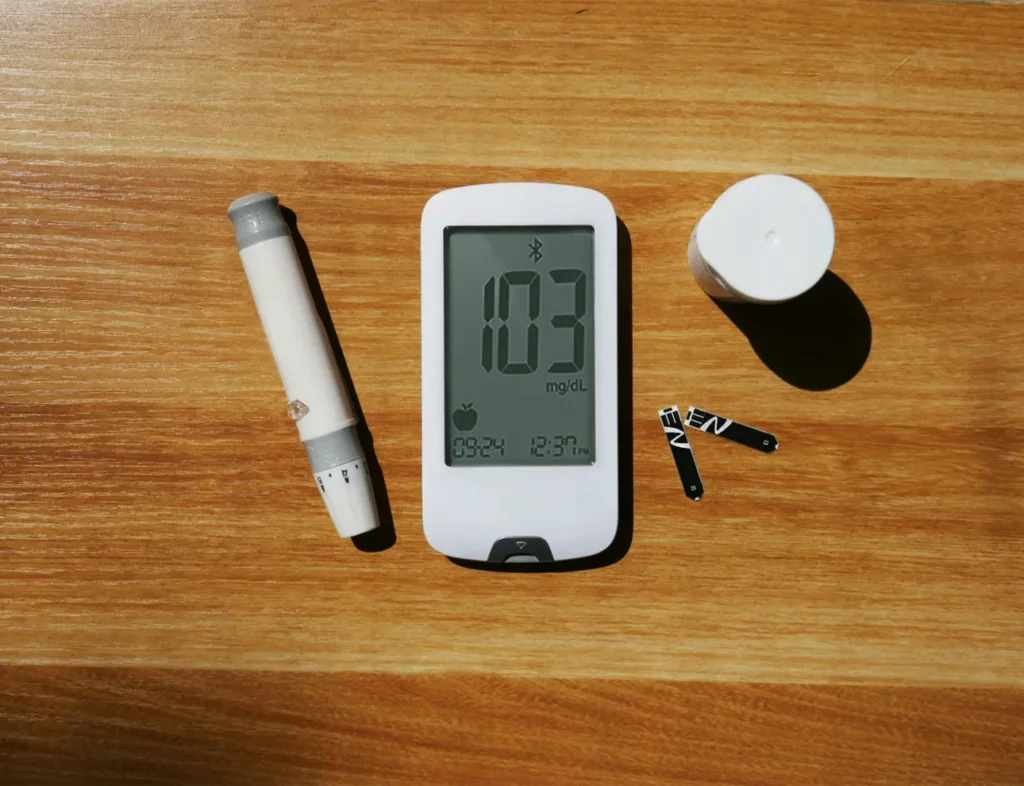
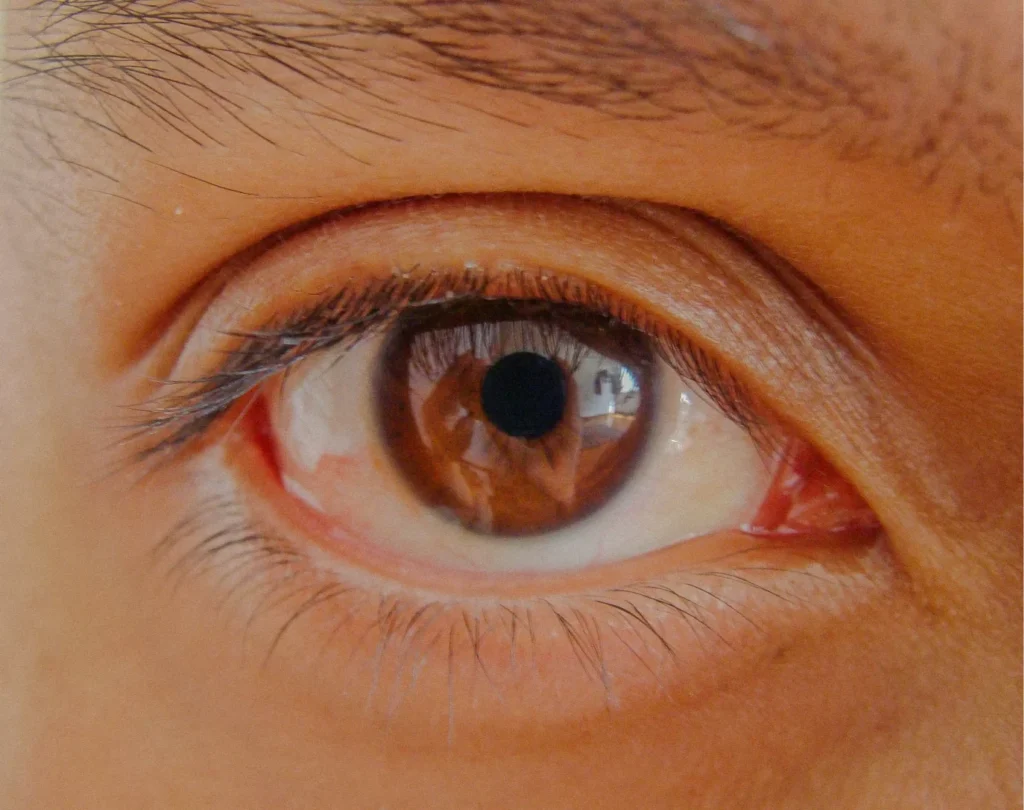
Treatments

Start with artificial tears, warm compresses, and lid hygiene; advance to prescription drops like cyclosporine (Restasis) or lifitegrast (Xiidra) for inflammation. Options include punctal plugs, intense pulsed light therapy, or omega-3 supplements.